
Engagement · Integrated Human Practices · Public Engagement
Public Engagement
The $3 Meal Plan, the Houston expo, and two organisations working where malnutrition actually is.
Our probiotic does not exist yet. Affordable balanced meals do. Everything in this part began with Dr. Corona Moreno telling us that the help those families needed was not something our science could provide, and it ends with two organizations explaining what would have to be true before a supplement like ours was worth giving to anyone at all.
The $3 Meal Plan
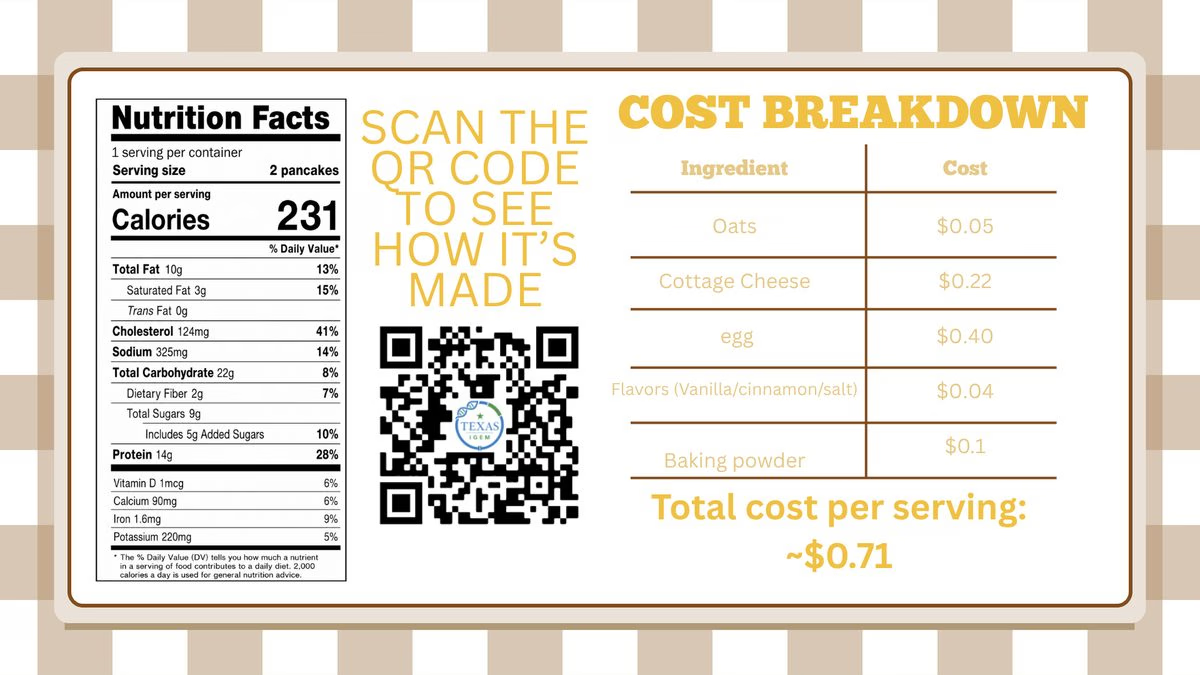
The $3 Meal Plan is a collection of balanced recipes, each costing under $3 per serving, created by members of the team and distributed free as QR-coded notecards. Our goal was to demonstrate that inexpensive meals can provide a combination of important nutrients without relying on expensive ingredients. We created more than 30 recipes, which were distributed at the Back to School Autism Resource Fair.
Why we built it. Our conversation with Dr. Corona Moreno had made one thing clear: gradual introduction of new foods is what actually helps a child with sensory-driven food refusal. Families needed something at their next grocery run. The meal plan was our answer to that gap, a contribution we could make immediately with the skills we already had. It also taught us something we could not have learned at the bench, how to balance cost, nutrition and real food preferences at the same time, which is the same three-way trade-off any deployable version of our project will eventually face.


Why this is Human Practices and not just cooking
Food affordability and nutrition affect people differently depending on their circumstances. Someone experiencing food insecurity may prioritize price and ingredient availability. A nutrition professional focuses on nutritional balance. Families weigh preparation time, equipment and food preferences. Holding those three views together made us realise that a meal plan has to be practical for its intended audience, not merely cheap on paper, and that is the same realisation, in miniature, that the whole of our Human Practices work forced on the probiotic.
What we got wrong
Our work had real limitations. The estimated nutritional values and prices need verifying, because both vary by brand and by store. More importantly, a meal’s suitability cannot be determined by cost and nutrient content alone. To strengthen the project we needed feedback from people who actually face the problem: people experiencing poor food intake, nutrition professionals and community organizations. The expo is where we started to share our recipes and receive that feedback, and it is where the omission showed.
Back to School Autism Resource Exposition
An event in Houston, Texas that brings together families of neurodivergent children with organizations offering services and support ahead of the school year.
Engagement
26 July 2026 · Houston · Booth
Question
Our conversation with Dr. Corona Moreno had shown us that sensory-driven food refusal was a major cause of malnutrition we had not accounted for, and that the care these families need was something our team should be thinking about. Rather than leave that as a gap on a page, we wanted to meet the families themselves, to hear about sensory-related food preferences from the people living with them, and to offer something useful in return. It was a deliberate choice to learn from caregivers directly rather than from literature about caregivers.
Engagement
We presented our research and information about nutrition in neurodivergent children. We brought visual nutrition charts showing the major food groups, which we used to explain balanced diets and how eating habits support school performance, and alongside them the $3 Meal Plan cards with their QR codes linking to full ingredient lists and a video of each recipe being cooked. For many families, affording healthy food that also suits their child’s preferences is a real struggle, and simple recipes they could take home made that easier.
Finding
Two things we had been treating as one came apart. A meal has to be affordable and sensory-acceptable, and focusing on budget and nutrients alone does not help: a $3 recipe gets used less unless it satisfies the sensory needs of the child. Families also made the economic and societal barriers concrete in a way the literature had not, which sharpened how we think about deployment and about the entrepreneurial side of the project. The fact that we had made the recipes ourselves mattered to people; it built a connection with the community that a printed handout would not have.
Consequence
Sensory acceptability became a separate axis in how we evaluate the meal plan rather than something folded into nutrition. Public-facing materials now lead with the recipes and place the biology second. More broadly, the event confirmed what the rest of our Human Practices work had been pointing at: addressing acute malnutrition requires both scientific research and real engagement with the people that research is meant to serve. Listening to parents made our project more inclusive and more applicable to the children we are actually describing.
My granddaughter is on the spectrum, and she only eats chicken nuggets and French fries. These meals are a great way to introduce her to new foods. I think what you all are doing is so amazing.
Caregiver at the expo
Dr. Rajashekar G, Center for Sustainable Agriculture
Before appetite, there has to be food.
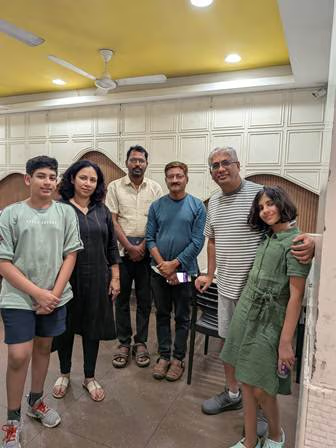
Dr. Rajashekar is COO of the Center for Sustainable Agriculture (CSA), an organization working directly with farming communities in India. The organization currently works with about 50,000 farmers through 60 farmer collectives, mainly in Andhra Pradesh and Telangana. For the past year and a half, it has also run a program focused specifically on malnutrition in tribal communities across three districts.
Question
All our other conversations were about individual children, why they refuse food, and what happens to the food they eat. We also wanted to learn about the availability of nutritious food in other communities. We identified CSA through a systematic effort to map out NGOs in India where malnutrition is a major challenge in children and adults, especially in rural areas. CSA was referred to us as a premier organization working on issues related to farming, with a dedicated project focused on providing nutritious food to communities suffering from malnutrition.
Engagement
In person, then over Zoom · webinar 20 September 2026
Our project PI, Dr. Sharmistha Sarkar, and lab mentor, Dr. Kunal Rai, visited Dr. Rajashekar during their India visit this summer. Later, Dr. Rajashekar spoke with the iGEM students in a Zoom webinar.
Finding
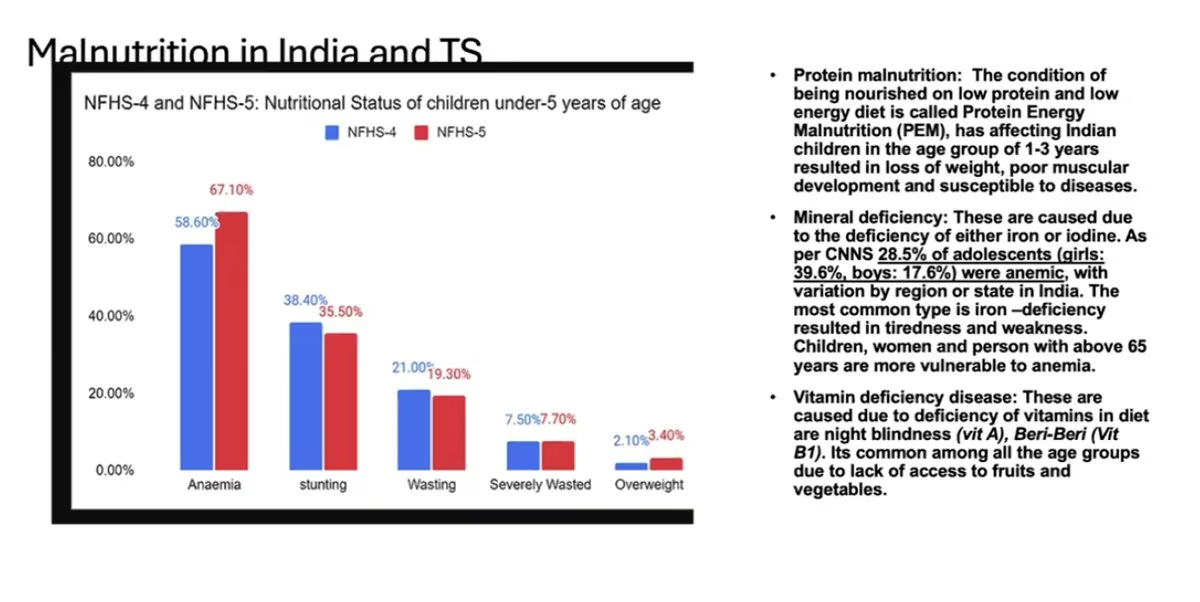
This conversation helped us understand that malnutrition cannot be treated as only a biological or nutritional problem. Dr. Rajashekar explained that the major causes in the communities his organization work with include lack of awareness, limited access to nutritious food, and a loss of crop diversity. Farmers shifted from growing many foods for themselves toward monocropping crops such as cotton and rice.
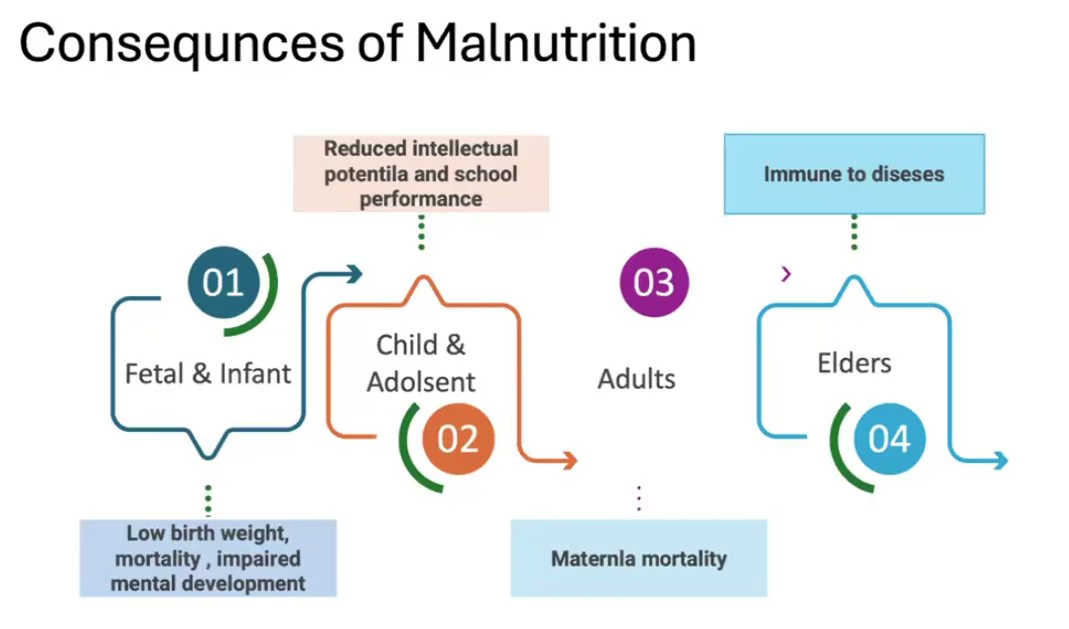
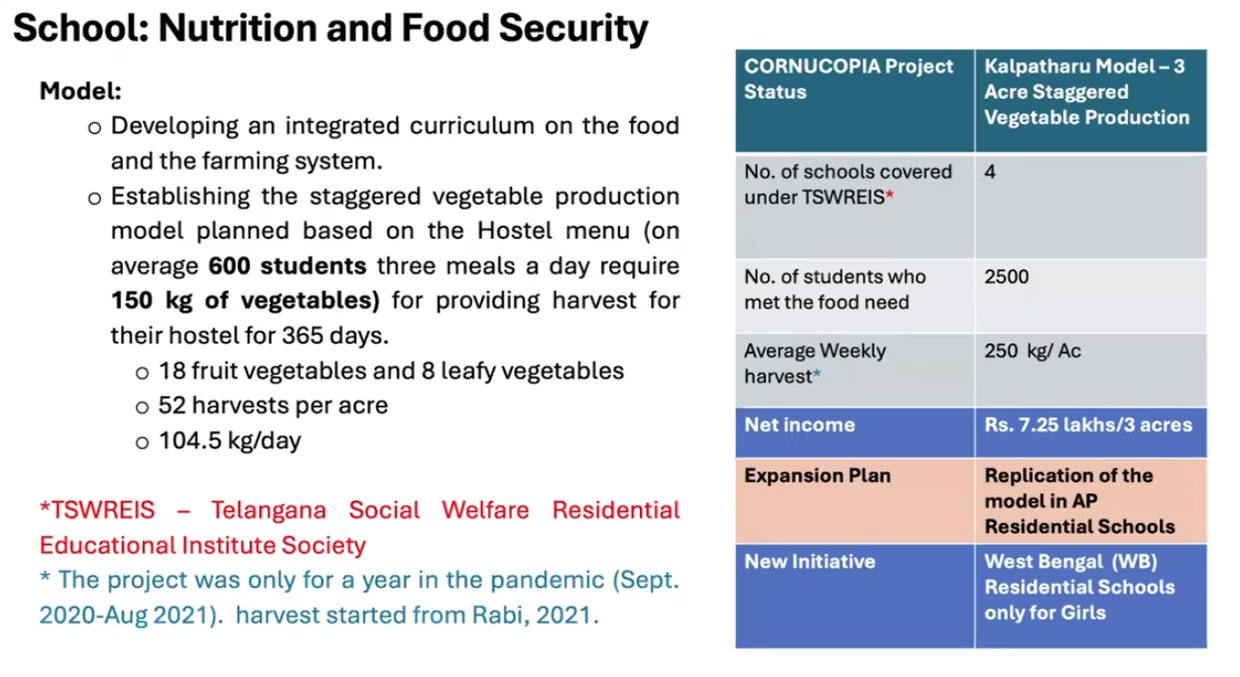
He opened with national survey data rather than with his own program, which set the scale before anything else. We are reproducing both framing slides because together they make an argument our project does not make for itself: that malnutrition is a condition of a whole population across a whole life, not an episode in one child.
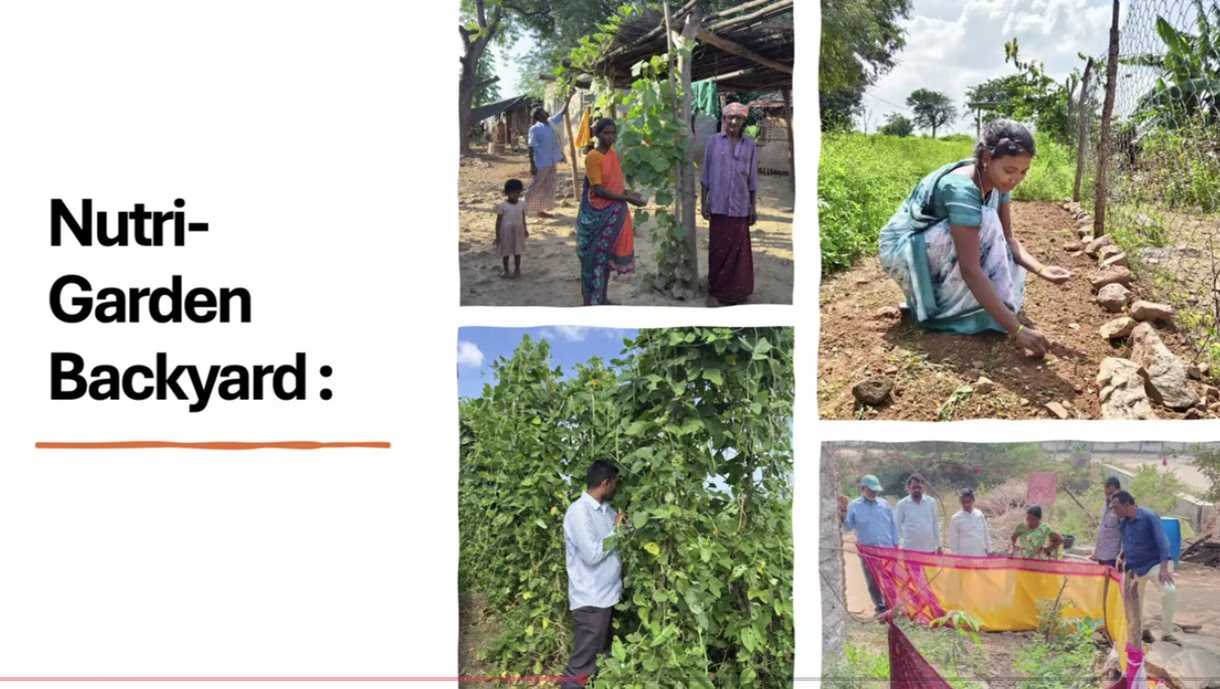
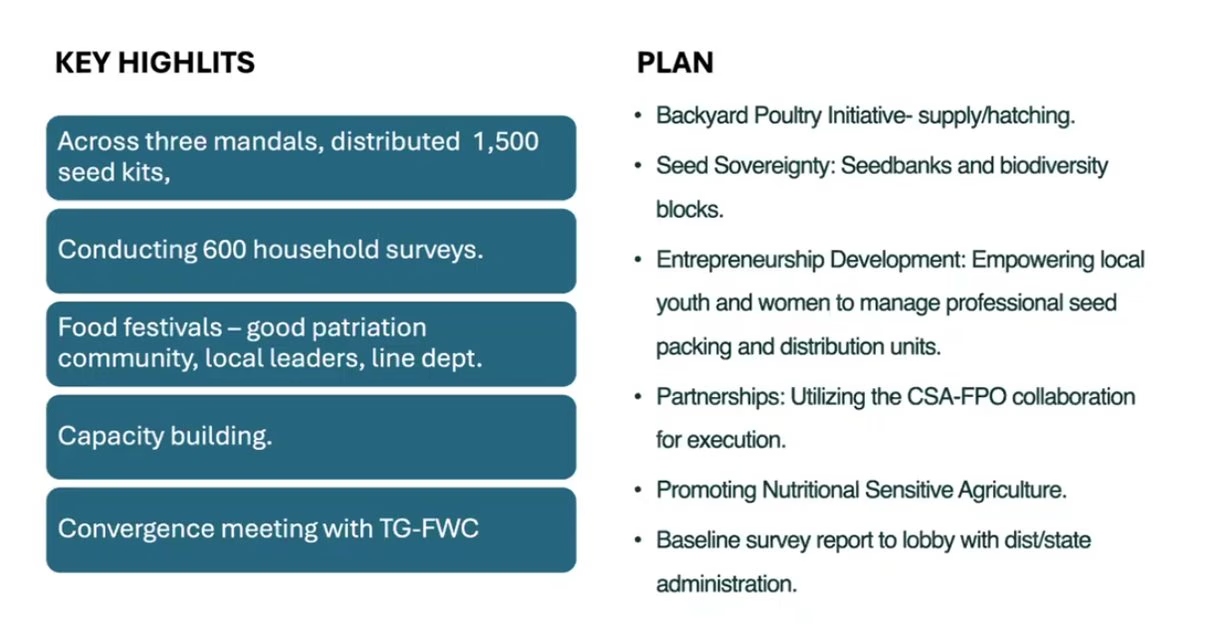
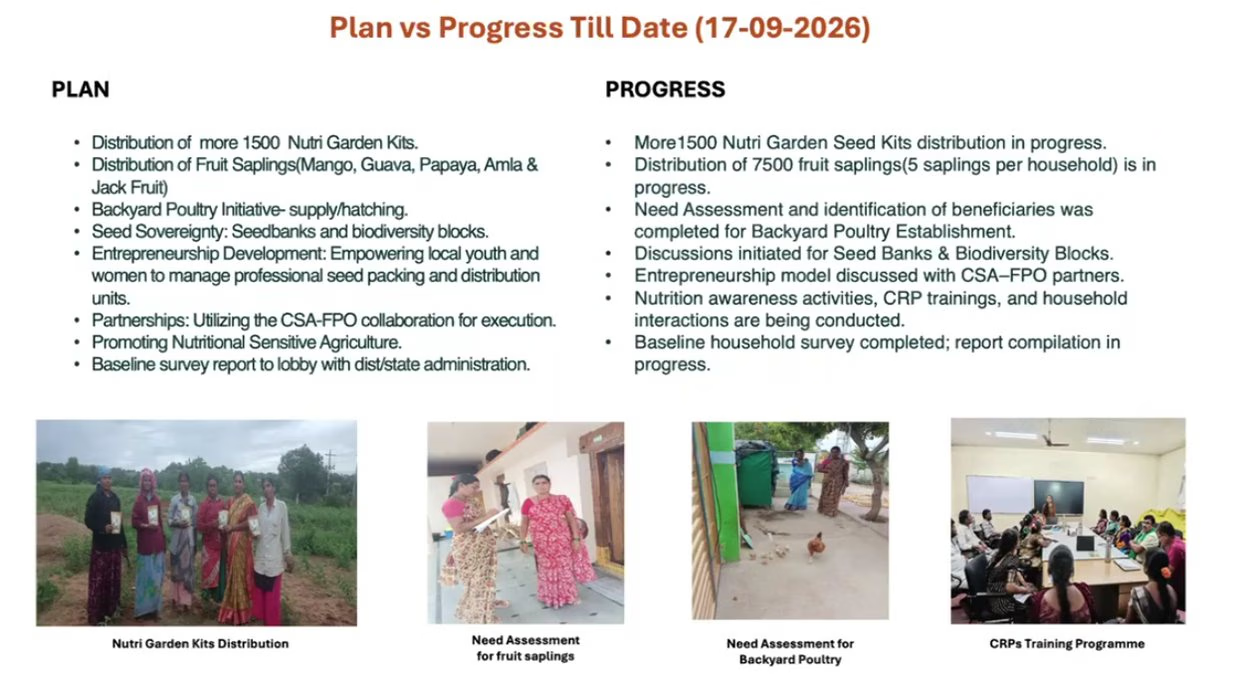
The result that stood out was their nutri-gardens. The organization distributed vegetable seed kits and fruit saplings and trained local community members to help families grow food. After the gardens were introduced, vegetable consumption rose from 7 to 8 times per month to around 20 to 25 times per month, roughly a threefold increase, achieved with seeds and training rather than with a product.
They also deliberately used open-pollinated seeds, so families could save and reuse them rather than depending on outside suppliers. And he explained that tribal communities may not immediately trust outsiders, so his organization trains people from within the community, who share the language and culture, to work with families. Our solution also needs to build trust and awareness before it reaches anyone.
Consequence
That mattered because it moved the question of whether a future solution works scientifically. A solution also has to be affordable, accessible, culturally practical and sustainable for the people using it. Rather than seeing our project as something that could solve malnutrition by itself, this meeting reinforced that it would have to work alongside larger food access and community-based approaches.
Two design principles came out of it that apply to anything we might one day distribute. Sustainability and independence matter: a product families cannot sustain without an outside supplier is a dependency rather than a solution, which is the lesson of the open-pollinated seed, and an engineered probiotic is by its nature the opposite, it can only come from a manufacturer. And trust has to be built locally, by people from inside the community, before any product reaches anyone. Both principles are uncomfortable for a live biotherapeutic, and both belong on record.
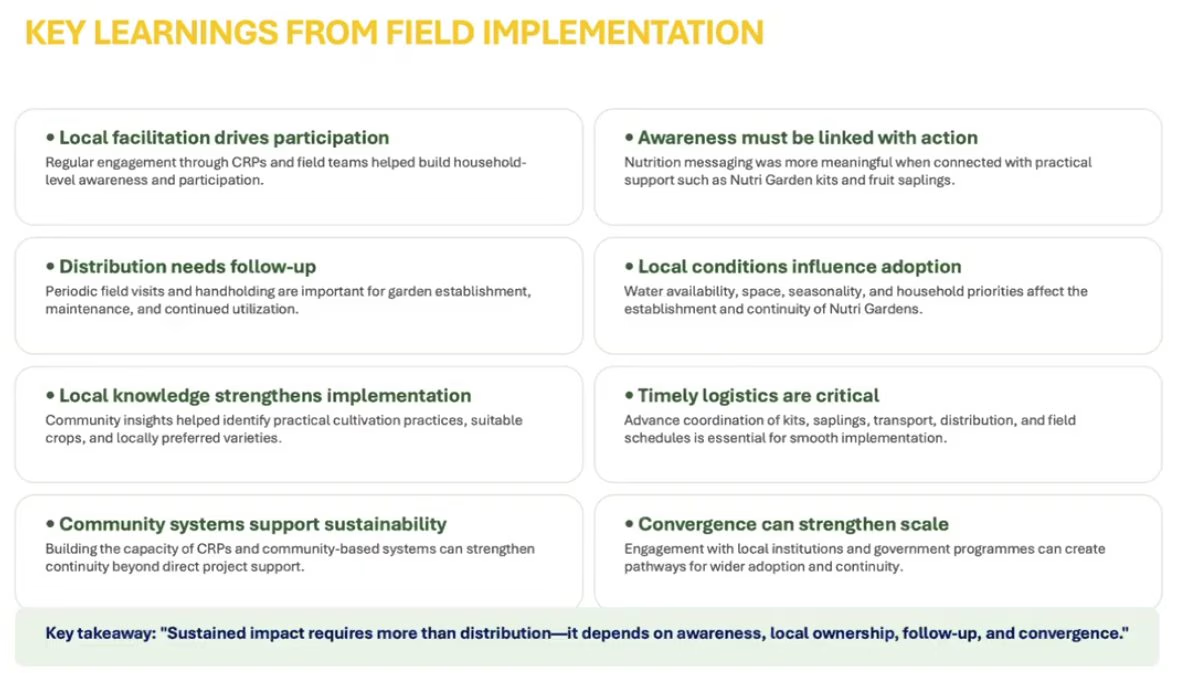
The nutri-garden result above is the headline, but the slides below show the operation underneath it. For a team whose own intervention would one day have to be distributed, this is the most instructive material in our entire Human Practices record: it is a working model of delivery, documented by people doing it.
Tamanna Ferdous, Sajida Foundation
The Sajida Foundation is a Bangladeshi non-governmental organization. Health is one of its major program areas, and it addresses nutrition through health. Tamanna Ferdous is a public health and nutrition specialist with 20 to 25 years of experience across development and emergency settings.
Engagement
15 July 2026 · Call
Question
We are students and scientists, not public health experts, and our contribution sits at the scientific end of a much larger problem. But a supplement that only works on paper helps nobody, so we wanted to understand what it would take to deliver our engineered probiotic: the production, the cost, the distribution, and the obstacles we should be thinking about now rather than discovering later.
Engagement
Video call. We showed her our project and asked what it would take to get something like it from a lab to a child in Bangladesh. She answered with a list of practical questions we had never asked ourselves, and called it a laundry list. We have treated it as a specification ever since. Ms. Ferdous has given permission to be cited as an expert consultant to our project and agreed to review a written summary of our considerations.
Finding
The questions we could not answer. What happens to a child who already has helminths or anaemia? What happens when a child takes this while living somewhere the hygiene conditions are poor? How long does a child need to take it? What does it cost the family? Who distributes it, and for how long? We had assumed an otherwise healthy child, and she told us that in the communities she works in, that assumption often does not hold.
Malnutrition in Bangladesh is not mainly a food-quantity problem. Gut health is a major cause, and it is tied to the water, sanitation and hygiene conditions families live in. Climate change is an emerging pressure we had not considered. She was also candid that distributing multivitamin powder, which her own foundation does, does not address the real need.
She also asked why a malnourished child loses appetite in the first place. Is it that they do not want to eat, or is an underlying infection causing it? If it is the second, our enzyme treats a symptom of something else, the same point Ms. Gardner made two months later from a hospital in Houston, arrived at independently from a field program in Bangladesh.
Consequence
We stopped calling our supplement a solution. It is one component of a broader nutritional strategy, and it only means anything if healthy food is already available. The questions about comorbidities, duration, cost and distribution are now part of how we discuss implementation rather than things we defer.
What testing anything there would require. Lab-based intervention research in Bangladesh needs government approval and a hospital-based setting, so doctors can respond if a child reacts badly. She pointed us to ICDDR,B, which already conducts approved undernutrition research.
What we committed to. Three things were recorded at the meeting: that we would build Sajida’s feedback into our project so it stays aligned with conditions in Bangladesh; that Tamanna Ferdous would be cited as an expert consultant; and that we would pursue the screening tool described below as a separate project. We also agreed to write up our considerations and open questions and send them to her for review.
Imagine if the kid still gets more and more hungry, meaning that more and more unhealthy food might come.
Tamanna Ferdous, Sajida Foundation
That is the sentence that reframed the project. She had described how parents working long hours rely on cheap street food, biscuits, chips, sugary drinks, because it is what is available. Then she asked what happens if our supplement works. We had been treating increased appetite as an unambiguous good. It is only good if there is something worth eating within reach, which is the same conclusion Dr. Rajashekar reached from the supply side and the same risk Dr. Nambron’s hedonic-pathway slide, on the Clinical Expertise page, describes from the neurological one. Three independent routes to one conclusion.
A second piece of work
Government health facilities provide the only countrywide coverage and are required to monitor child growth, but often have no working scale or height board, and carrying equipment into remote areas is its own barrier. Tamanna said what was needed: a tool simple enough for a mother to screen her own child, catching cases before they get severe. We agreed to pursue a machine learning model that predicts malnutrition from photographs and measurements, using data that is already being collected unevenly.
Fundraising and social media
Asking strangers for money forces a plain-language account of the project, which is a useful discipline. The fundraising team produced a donation page, a costed budget and a one-minute explainer script, each of which required saying what we do without jargon. Writing that script was the first time the project had to be described in sixty seconds to somebody with no biology, and it exposed how much of our usual explanation was mechanism rather than purpose. Community outreach and the funds obtained through Zeffy are covered on the Entrepreneurship page.