
Engagement · Integrated Human Practices · Clinical Expertise
Clinical Expertise
Three clinicians on the circuit the signal sits inside, the ward where food refusal is managed, and the family table.
We selected a satiety signal as a target before we had spoken to anybody who manages food refusal for a living. Six clinicians corrected that from three different directions: the circuit the signal sits inside, the ward where refusal is managed, and the family table where it actually happens. Each of the six records below uses the same four fields, and each ends with what we changed. Most of them produced changes to the design itself rather than to how we describe it.
Dr. Rajasree Nambron, MD

Associate Professor of Endocrinology at McGovern Medical School, UTHealth Houston. Her clinical and academic work covers diabetes, obesity, metabolic health, and the integration of evidence-based lifestyle medicine into everyday endocrine practice. She is active in medical education, health equity, and national initiatives advancing lifestyle medicine within endocrinology. Her session was titled Gut–Brain Dialogue: Decoding Appetite and Satiety Pathways.
Question
Hormones and energy balance are exactly her field. By this point we had researched our host strain and set up our experimental pipeline in the lab notebook. What we still did not have was a clear picture of how the body actually controls hunger and satiety, and our whole project depends on changing one signalling pathway within it. We approached an endocrinologist to get the complete normal mechanism before attempting to perturb a piece of it.
Engagement
4 October 2026 · 4:00 PM CST · Webinar
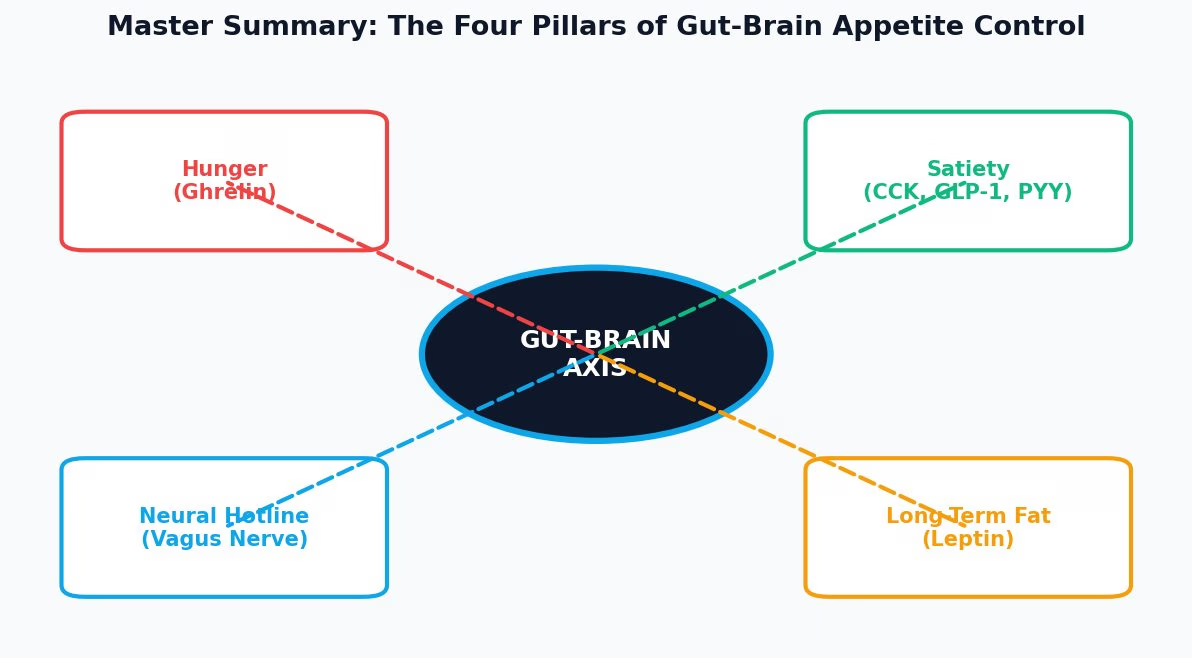
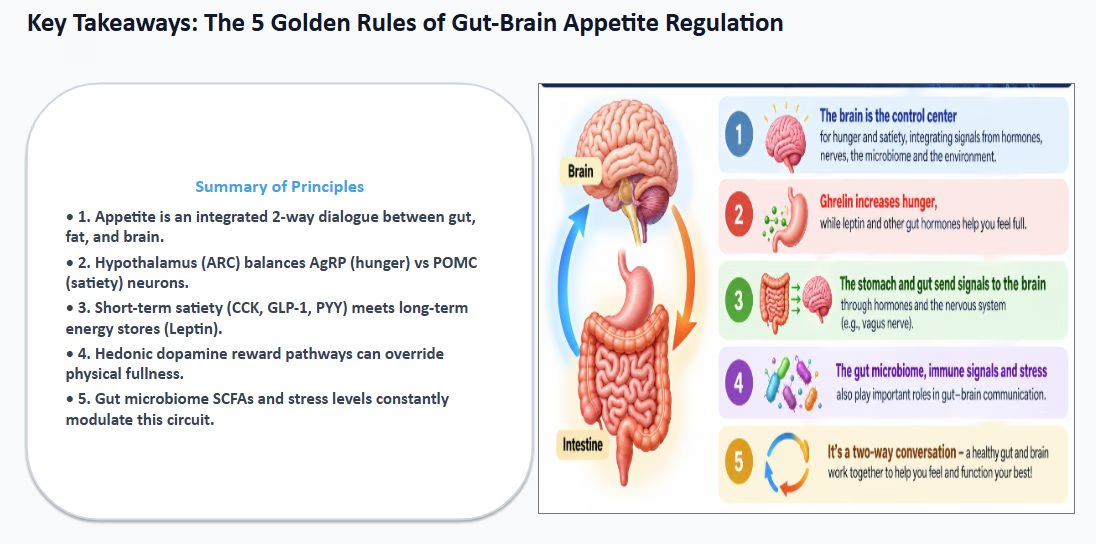
Public webinar, hosted by the outreach team with student hosts handling introductions and the question period. Her session showed us appetite and satiety as a whole system rather than a single reaction, and mapped the parts and how they connect: short-term gut hormones CCK, GLP-1 and PYY released around a meal; long-term fat stores monitored by leptin; stretch receptors in the stomach wall registering how full it physically is; the gut microbiome, which ferments complex fibres into the short-chain fatty acids acetate, propionate and butyrate that naturally trigger the body’s own satiety signalling; and the vagus nerve, carrying all of this quickly to the brain. Those signals meet in the arcuate nucleus and the nucleus tractus solitarius, where AgRP and POMC neurons weigh them together and set hunger or fullness.
Finding
Her perspective provided an essential counterweight to a single-target bioengineering viewpoint. Synthetic biology concepts tend to center on individual molecular targets; her presentation emphasized that human appetite is governed by redundant, highly conserved feedback loops designed to defend energy balance. Clinical realities such as leptin resistance, where abundant hormone levels fail to reduce hunger because hypothalamic receptors are blunted, and stress-induced cortisol shifts, were reminders that any live biotherapeutic operates within a highly adaptive, multi-variable host environment.
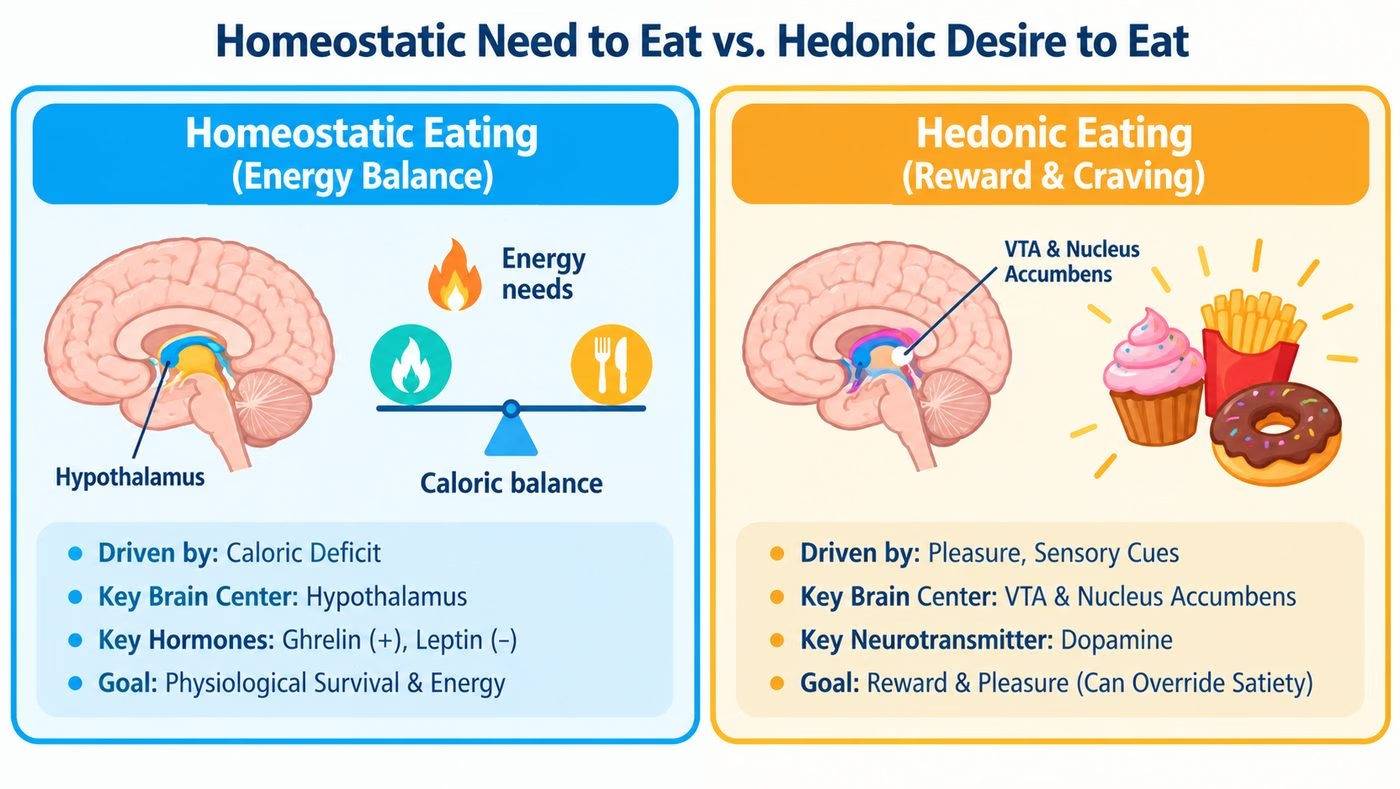
Two things we had not expected. Dopamine-driven hedonic pathways in the brain can override physical fullness entirely. And gut satiety hormones need 15 to 20 minutes after a meal begins to reach peak levels, which puts a floor under how fast any gut-signal intervention can possibly act.
One finding ran in our favor. Her explanation of how gut microbiomes ferment complex fibres into short-chain fatty acids that naturally trigger host satiety signalling demonstrated a direct, receptor-mediated connection between the gut microbiome and satiety regulation. That is the same class of mechanism we are engineering, and it supports the premise that a microbe can reach this circuit at all.
Consequence
Her insights let us place our probiotic approach into a broader physiological context: modulating gut satiety signals is only one component within a dynamic, multi-layered circuit involving hypothalamic control centers such as AgRP and POMC neurons. We narrowed the claim accordingly. We lower one satiety signal; we do not restore appetite. Our stated endpoint remains OEA hydrolysis rather than feeding behavior, and the Project Description and Measurement pages were checked for any phrasing that implied an appetite-level outcome from a lipid-level result.
To assist future teams exploring metabolic biotherapeutics we documented the neurohormonal time-courses, pre-meal ghrelin surges, duodenal nutrient sensing, pancreatic insulin co-signalling, adiposity feedback, together with the switchboard architecture of the arcuate nucleus and NTS, enteroendocrine cell distribution across the GI tract, and the microbial SCFA mechanism, so that a synthetic biology project can be evaluated within systemic host physiology rather than beside it.
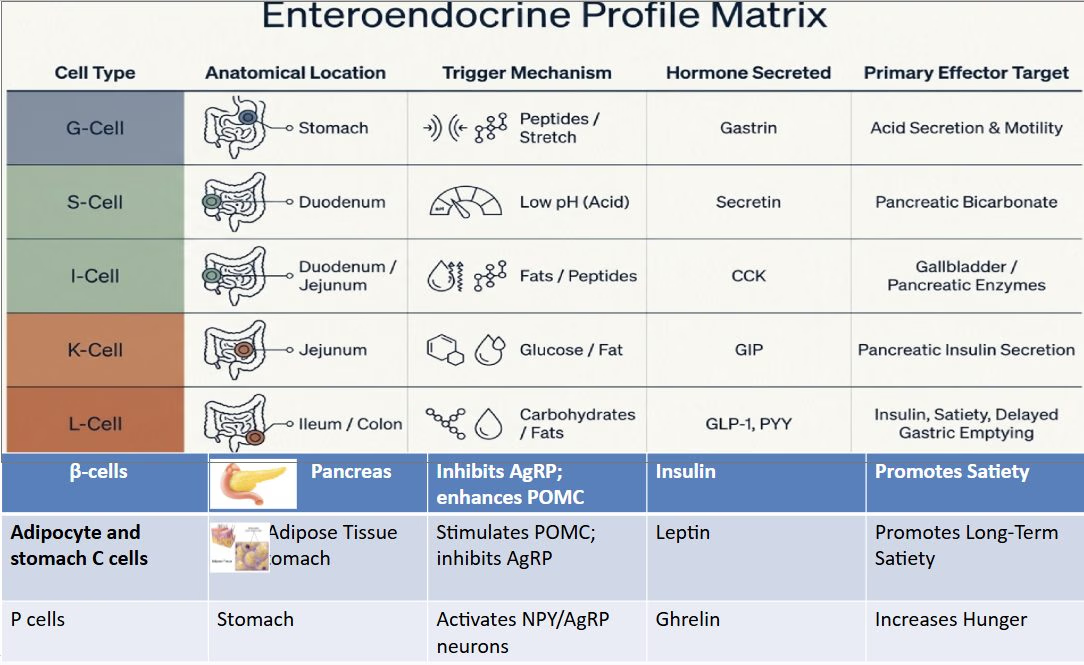
The same matrix set out as text, since the anatomical column is the one our design has to answer to:
| Cell type | Anatomical location | Trigger | Secretes | Primary effector target |
|---|---|---|---|---|
| G-cell | Stomach | Peptides, stretch | Gastrin | Acid secretion and motility |
| S-cell | Duodenum | Low pH | Secretin | Pancreatic bicarbonate |
| I-cell | Duodenum, jejunum | Fats, peptides | CCK | Gallbladder, pancreatic enzymes |
| K-cell | Jejunum | Glucose, fat | GIP | Pancreatic insulin secretion |
| L-cell | Ileum, colon | Carbohydrates, fats | GLP-1, PYY | Insulin, satiety, delayed gastric emptying |
| β-cell | Pancreas | Inhibits AgRP, enhances POMC | Insulin | Promotes satiety |
| Adipocyte, stomach C cells | Adipose tissue, stomach | Stimulates POMC, inhibits AgRP | Leptin | Promotes long-term satiety |
| P-cell | Stomach | Activates NPY/AgRP neurons | Ghrelin | Increases hunger |

Ms. Gabriela Gardner, RD
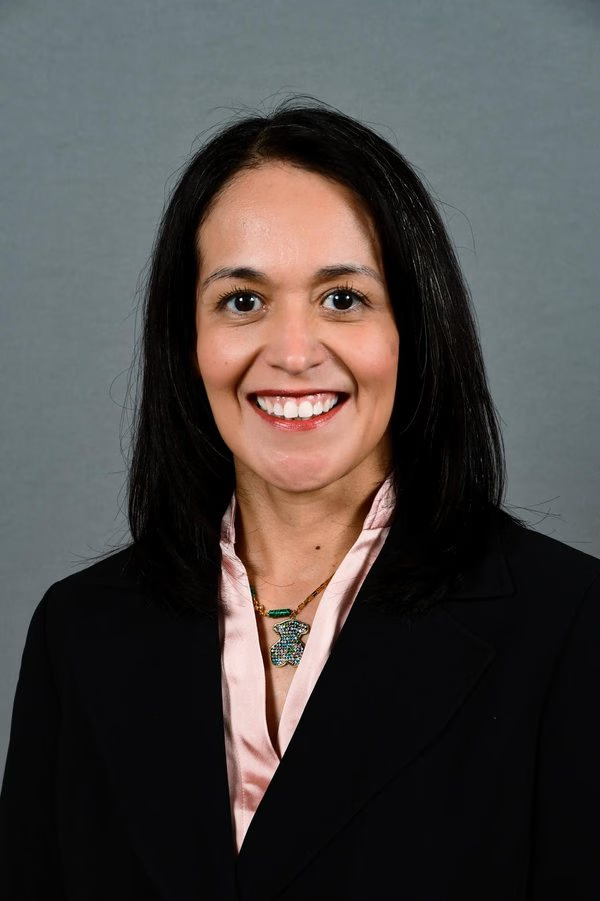
An advanced practice registered dietitian treating adult patients in the greater Houston area. She holds a master’s degree from the University of Arizona (2022) and has clinical interests in IBS, inflammatory bowel disease and food allergies, with experience in intestinal malabsorption and at-home enteral and parenteral nutrition. Her session was titled The “Eat More” Illusion: Confronting the Hidden Challenges of Clinical Nutrition.
Question
Our project is based on modulating satiety signalling pathways, and we had framed low appetite as the primary bottleneck preventing malnourished children from accepting therapeutic food. We reached out to Ms. Gardner for her real-world expertise: she encounters individuals on a daily basis who struggle to eat. Her work also bears directly on the risks of introducing a live organism into an already compromised gut.
Engagement
12 September 2026 · 1:00 PM · Webinar, recorded with her consent and archived with the team.
Finding
She answered our framing with a list of barriers to eating: unfamiliar food, altered taste, nausea, medication effects, no energy to cook, eating alone, cost, and patients without their dentures who physically cannot chew. Appetite was one item among roughly a dozen.
Then she said something she did not know was about us. Clinicians withhold probiotics in intensive care, she explained, because of “concerns of that bacteria moving into other areas of the body where they’re not supposed to be”. The warning was offered without any knowledge that our chassis is a live organism intended for a gut that malnutrition has already made permeable.
Her most arresting point was that the thing we are trying to correct is a functioning response, not a fault.
Consequence
Three changes, two of them to the design rather than to the description. We added an explicit exclusion criterion for children with active severe infection or suspected barrier compromise, and repositioned our intervention to the recovery phase rather than the acute phase. We dropped BMI as an outcome measure, having planned to use it, in favor of functional measures. And we stopped calling our work a solution to malnutrition; we now describe it as one tool addressing one barrier.
Our project addresses the first row of this table. The remaining rows are the reason we no longer describe it as addressing malnutrition.
| Barrier | Nature of the barrier | Can our probiotic reach it? |
|---|---|---|
| Low appetite | Physiological signalling | Partly. One lipid messenger among several inputs. |
| Unfamiliar food | Sensory and behavioral | No |
| Altered taste | Sensory, often treatment-related | No |
| Nausea | Physiological, multiple causes | No |
| Medication effects | Pharmacological | No |
| No energy to cook | Functional and social | No |
| Eating alone | Social | No |
| Cost | Economic | No |
| No dentures; cannot chew | Mechanical | No |
The body, in order to get into that state of fasting, tells your body to not eat… that is a normal response of the body, because it’s trying to move into this metabolism to support the immune system.
Ms. Gabriela Gardner
She gave us the cost of that state as well. During infection the immune system may consume 30% of the body’s nutrients, and a hospitalised adult loses 2 to 5% of muscle mass per day: in her words, “three days, they could lose 15% of their muscle mass.” Appetite suppression during illness is purposeful, and it is also expensive. Both halves of that have to be true at once for our project to make sense, and it is precisely why the recovery phase, rather than the acute phase, is where an intervention like ours belongs. During acute illness the suppression is doing a job; after it, the cost is all that remains.
BMI does not necessarily tell us that someone is malnourished. We need to dig in deeper. That’s the main message I really want to leave you with.
Ms. Gabriela Gardner
Her alternatives were functional rather than anthropometric, including hand-grip dynamometry, which measures the muscle strength that body weight can conceal. She grounded the criticism in the measure’s own history: Quetelet published the ratio in 1832 to describe populations, insurance actuaries adopted it in 1959, and the WHO and NIH endorsed it only in 1990. The field had no agreed diagnostic criteria for malnutrition of any kind until 2012. In her framing, a population statistic had become a bedside diagnosis, and we had adopted it without once checking where it came from.
What we would pass on to another team
- List every barrier between a person and a meal before you choose one to solve. Ours was one of nine.
- Ask whether the thing you are correcting is a malfunction or an adaptation. If the body is doing it on purpose, overriding it has consequences.
- If your chassis is a live organism, ask a clinician where they would refuse to use one. We got our most important safety constraint from a question we did not think to ask.
- Check how your outcome measure came to exist. BMI was never built to diagnose an individual.
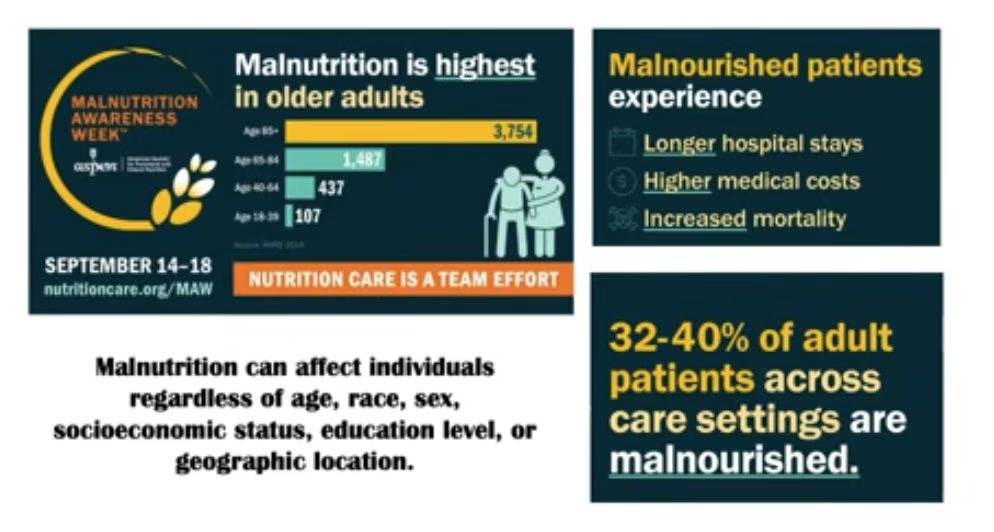
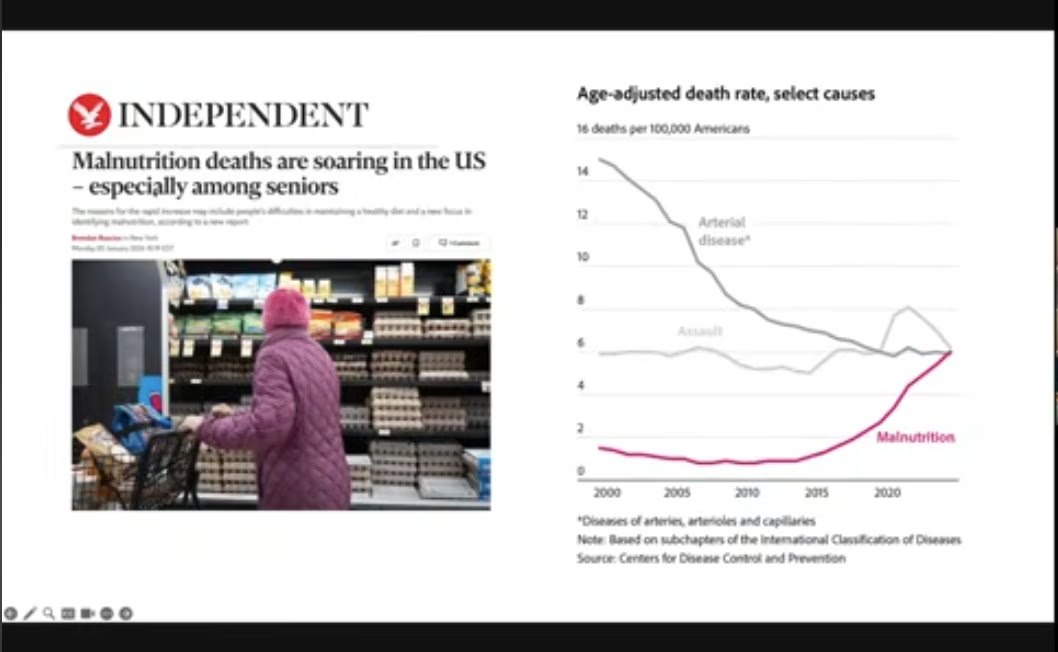
Her clinical world is adult and inpatient rather than pediatric. We have kept her two framing slides because they explain why she thinks about malnutrition the way she does, and because the pattern they describe is the one our own project assumes in reverse.
Dr. Mayra Corona Moreno
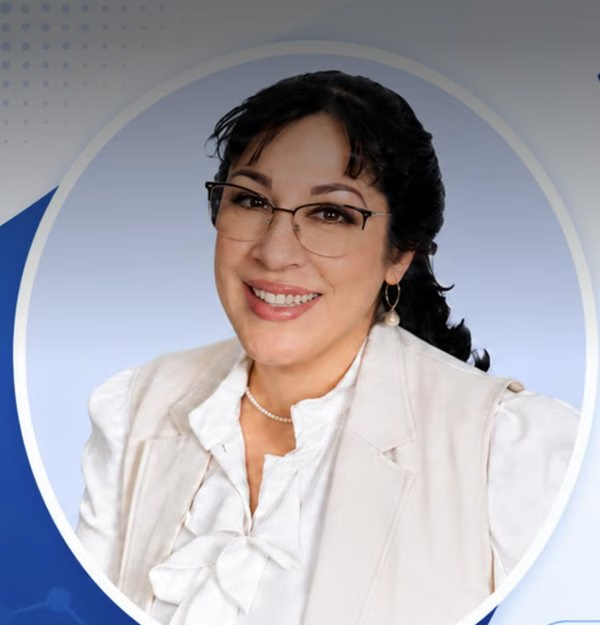
Founder and CEO of Beautiful Minds ABA, an applied behavior analysis practice in Texas. A board certified behavior analyst with 19 years of experience working with children with autism, she trained and practiced as an emergency physician before moving into applied behavior analysis, and she volunteers with the Autism Society of Texas. Her session was titled The Hidden Hurdle: Why the Autistic Brain Struggles with the Dinner Plate.
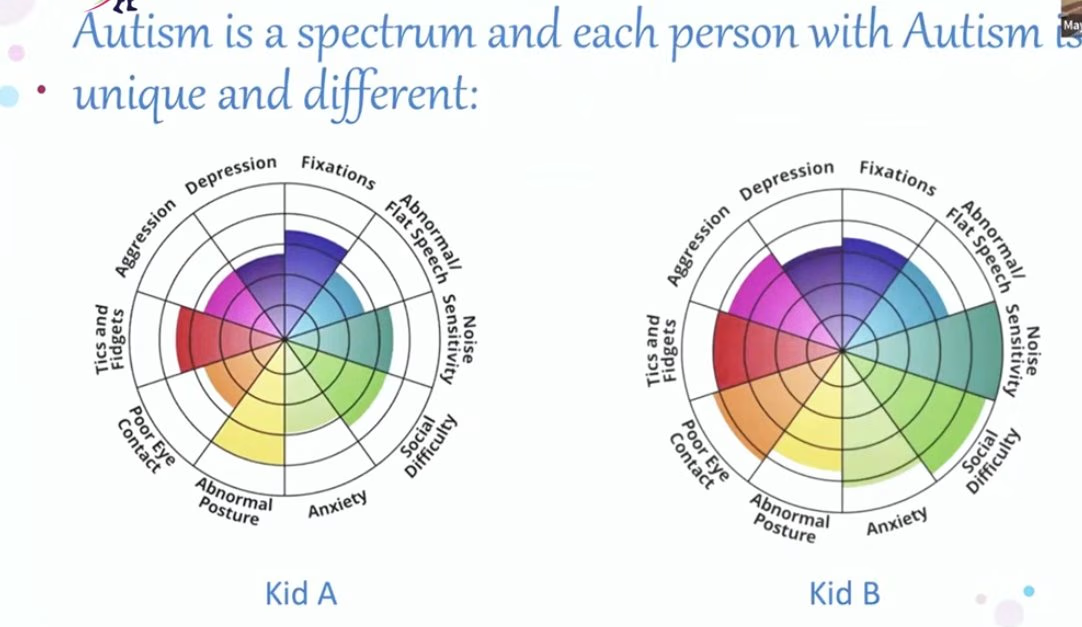
Question
Our project was built on UNICEF’s malnutrition data, 144 million children stunted and 47 million wasted, but those figures say nothing about why an individual child refuses a plate of food. We chose Dr. Corona Moreno because she connects molecular research with the clinical and behavioral realities of feeding: stimming, sensory regulation, and what actually happens at a family’s table.
Engagement
6 July 2026 · Webinar, and the first expert session of the project by a margin of two months. Everything public we subsequently built came out of this hour.
Finding
Many autistic children have difficulty sensing their own bodies and may not register hunger or fullness at all. The figures were stark: 1 in 31 children in the US is diagnosed with autism, as many as 75% experience feeding difficulties, and concurrent health challenges contribute to a shortened lifespan. Her list of causes behind food refusal ran to seven, and low appetite was one of them.
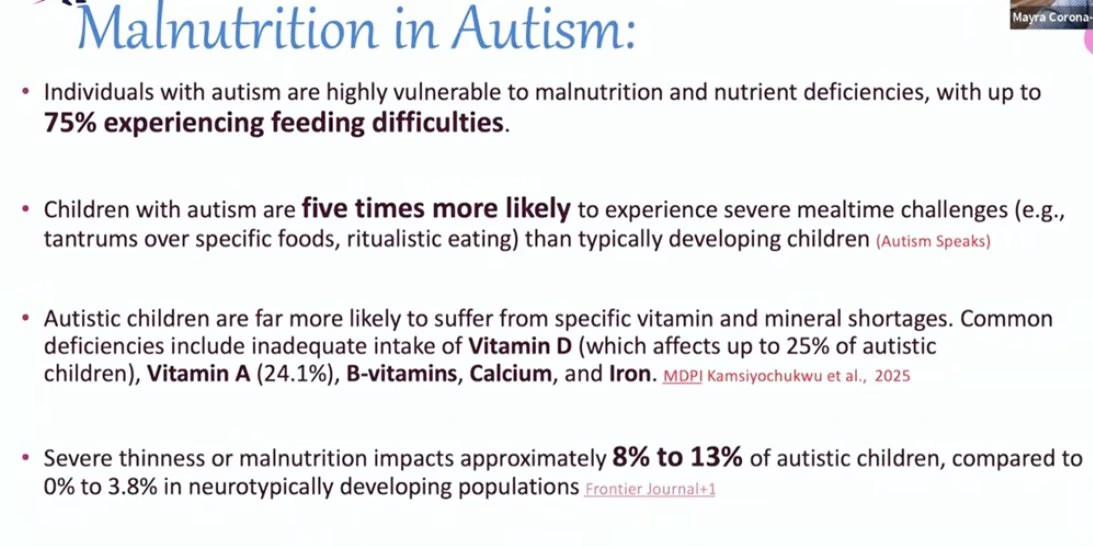
Her list of causes behind food refusal ran to seven, spread across the two slides below. Low appetite, the one our project addresses, is not among them as a primary cause at all: it appears only downstream, as a side effect of medication. We are reproducing both slides in full because this list is the single most important thing we were told all year.
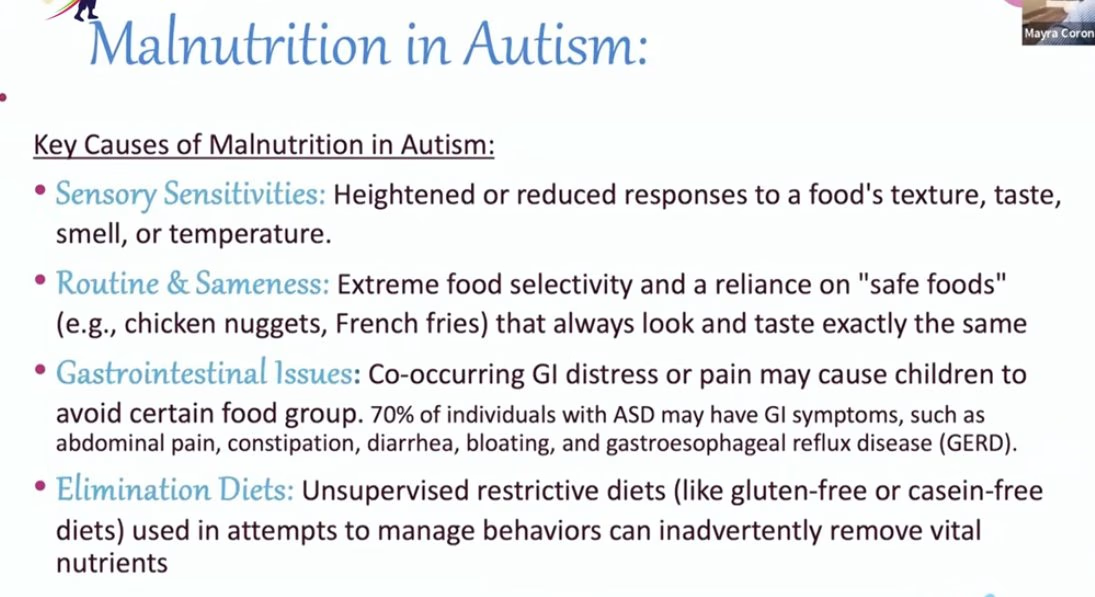
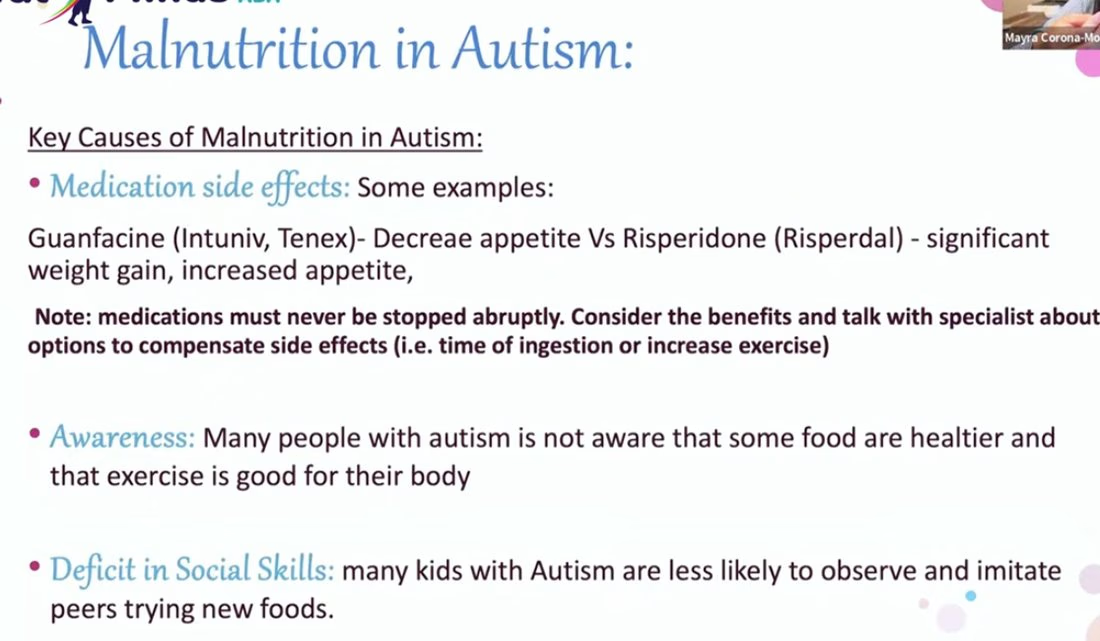
Her experience did not point towards a molecular solution. The interventions she described, gradual exposure to new textures and flavors, respecting a child’s routines, collaboration between therapists and physicians, supporting the parents, are things an engineered probiotic cannot deliver. Sitting with that answer, rather than looking for a way around it, is the most useful thing we did all year.
Consequence
Our approach became far more centered on the human being. She showed how sensory sensitivities, gut-related distress and rigid routines lead to meal avoidance and nutrient deficiencies. We no longer view our biological tool as the only cure for low appetite, but as part of a spectrum of care that leaves room for individual needs.
And because the families she works with needed support our science could not provide, we built something else. Her account of sensory-driven food refusal led directly to two pieces of work: a booth at the Back to School Autism Resource Exposition, to learn from parents and caregivers in person, and the $3 Meal Plan, built around the gradual introduction of new foods that she recommended and distributed on QR-coded cards at that expo. Neither exists without this webinar.
Dr. Robert L. Bender II, MD
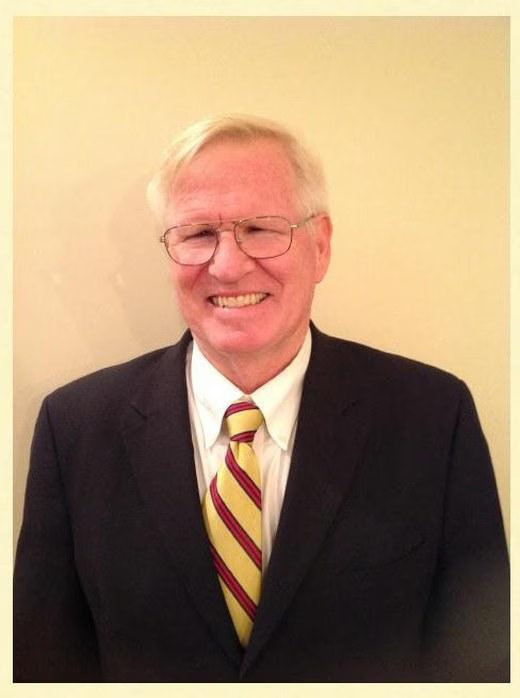
Board certified in Family Practice and Geriatrics, and currently an adjunct professor at Drake University in Des Moines, Iowa, in the Department of Psychopharmacology, where he holds a master’s degree in the subject. He read undergraduate medicine at Duke University, took his medical degree at St. Louis University in 1978, and completed a family practice residency at St. John’s Mercy Hospital and a geriatrics fellowship at St. Louis University. He was Medical Director of the Broadlawns Geriatric and Memory Clinic in Des Moines from 2014 to 2023, practiced family medicine and geriatrics in Des Moines from 1986 to 2023, and directed the Aging Mind Think Tank at Des Moines University. He has been named Teacher of the Year by four separate residency programs, has published on a multifactorial approach to cognition in patients with dementia, and has lectured on dementia and brain wellness for four decades. He currently does research, teaches, works at a free clinic and consults.
Question
Every clinician we had spoken to until this point worked with children or with working-age adults. Appetite loss in old age is a different problem with different physiology and a different social setting, and a geriatrician sees more untreated anorexia than any other specialist. We wanted to know whether our mechanism has any place in that population, and what a doctor who has spent four decades failing to stimulate appetite with the drugs available would want from a new one.
Engagement
17 October 2026 · Webinar
Webinar and open question period with the team, our mentors and our PI. He had read the details of our project in advance and had looked up the literature on our target molecule before the call, which is why his first substantive comment was a correction.
Finding
Our target does not sit at one level. The single most technically consequential thing he told us is that OEA levels are not uniform across malnourished patients: the level is different in the face of different illnesses. He gave anorexia nervosa as an example, where in his reading the level is already elevated. His conclusion was that the level of the hormone we are trying to affect may vary with the underlying cause of the malnutrition, and that our project should account for that rather than assume a single starting point.
Malnutrition is a whole-body syndrome. In geriatrics the relevant entity is failure to thrive, in which every physiologic system is affected: brain, skin, heart, lungs, gastrointestinal tract. Cancer is a major cause of wasting and cachexia, but so are psychosis and purely gastrointestinal disease-causing malabsorption. The hormones regulating appetite can therefore be disturbed from multiple directions at once.
The existing drugs mostly do not work. Over his career he has used many appetite stimulants and found none of the traditional ones effective in seniors with a wasting illness. He named megestrol specifically and said he never saw it work. The exception, and he was emphatic about it, is the newer atypical antipsychotics: he has had patients gain 40 pounds in two to three months on olanzapine and called them the best appetite stimulants he has ever seen. The mechanism is not understood, and the effect is formally a side effect.
Social factors are enormous. Asked how isolation, transport, income and absent caregivers compare with medical causes, his answer was unequivocal: once a person is socially isolated, their ability to age optimally falls. He described socialization as the single most important component of healthy ageing and said plainly that we eat better when we are together, we eat better when we can afford to choose good food, and we eat better when we can physically reach a shop. He added that basic science efforts, however noble, can overshadow the need to attend to those factors.
Dementia and the limits of forced feeding. Patients with advanced dementia who outlive their other diagnoses die of inanition. Geriatrics spent years placing feeding tubes in these patients and then learned, across large populations, that doing so neither improved quality of life nor extended it. The discipline has stopped recommending it. His exact framing of our project against that history is the most direct statement of clinical need we have received: if we could give these patients something safe and non-invasive to increase appetite, it would be magic.
What he would want to know before using a live organism. His concerns were layered. Everything about the microbe being introduced and its potential for pathology. Whether the target is narrow enough to avoid unexpected effects. What the patient’s underlying illnesses are and how a new bacterium might affect them. And, above all, whether the molecule we are changing has functions we do not know about, because when a molecule with one well-known role has its level altered, other physiologic systems may move with it.
Consequence
The OEA-level point changed what our assay has to establish. We had been designing to show that our construct lowers OEA; he has made the prior question unavoidable, which is what the baseline is in the specific population being treated. A patient whose OEA is already elevated by their illness and a patient whose OEA is normal are not the same experiment, and our Measurement page now states the baseline as something to be characterized rather than assumed. This compounds the premise objection Dr. Raghunathan raised from the laboratory side, and the two together are the strongest technical criticism our project has received.
We have also recorded a second indication. Advanced dementia with failure to thrive is a population where the alternative intervention has been formally abandoned as futile, where the patient is not a child and the consent framework is different, and where a safe non-invasive appetite stimulant has no incumbent. That is a materially easier target than severe acute malnutrition in children, and it is now noted on our Entrepreneurship page as the adjacent indication a future team should consider first.
His social factors answer reinforced what Dr. Rajashekar and Dr. Tamanna Ferdous told us from outside the clinic, and we have added the same framing to how we describe the project in the United States, not only abroad. Isolation is a cause of malnutrition in Des Moines as much as food access is in Telangana.
Two cautionary histories he gave us
He illustrated the unknown-function risk with two stories from his own career, and we are recording both because the principle they carry is the one we most need to hold on to, which is that a targeted biological intervention can have consequences nobody modeled.
The first was a warning. He recalled an era of early optimism about correcting a single inherited defect by genetic engineering, in which the intervention proved far more dangerous than anticipated and patients developed cancers. The second was the opposite: a researcher who spent ten years engineering a virus to attack one specific type of brain cancer cell, took it through institutional review, treated a nurse at a hospital who had developed that very cancer, and cured her.
He put the two side by side deliberately. The same willingness to engineer a biological agent produced both outcomes, and the difference was the decade of characterization in between. His closing argument to us was that even if our project fails at its stated goal, what we learn about the pathway, the construct, the side effects and whether the organism itself causes problems will be worth having, because in his words some of the biggest breakthroughs in medicine were peripheral insights.
Dr. Sara Schutte, DO
A retired general pediatrician in Iowa with over 35 years of experience, spanning clinic-based care, hospital care and after-hours on-call emergency work. Her practice covered newborn hospital stays, routine health and developmental visits, acute illness and chronic illness, in a large urban population.
Question
Our project targets children, and until this session every clinician we consulted treated adults. We wanted a pediatrician’s account of how undernutrition presents in a clinic, how a doctor decides whether a child is simply not eating enough or has something organic driving it, and whether a clinician would use a product like ours if it existed.
Engagement
16 October 2026 · 7:00 PM CT · Webinar
Webinar on a Friday evening with the team and our mentors, with students introducing themselves individually before the questions began.
Finding
Eating is not always appetite. Her opening response to our project was the sentence we have quoted ever since: in children, eating is not always appetite. It is not simply that they want to eat. Kids who do not want to eat are often tube fed, which gets nutrition into them but does not make them eat.
The workup comes before the conclusion. Deciding whether a child is undernourished because of intake or because of an underlying problem means a general workup across gastrointestinal, endocrinological and inflammatory causes, looking for an organic reason, they are not gaining weight. Only once that is ruled out does the clinician look at psychological and socioeconomic factors. She added that a good deal of the judgment comes from knowing a family over years, which cannot be taught.
Calories alone can do harm. Asked directly whether increasing intake can be harmful, she named refeeding. Adolescents recovering from anorexia or bulimia have to be refed very cautiously, because after prolonged malnutrition they can develop cardiac, liver and thyroid complications. Getting nutrition in is not a matter of getting more in faster.
Appetite has an emotional architecture. She illustrated this with her own fifteen-month-old granddaughter, who has organic acidemia. The child ate normally for three months, then reflux and a low-protein formula that tastes very bad produced an aversion by three to four months of age. She now eats nothing orally. The feeding therapist’s repeated message to the family is that the child must feel safe and secure before she will eat, and that even who is holding the spoon matters: she will accept her mother and the therapist, but not her grandparents. Having practiced for more than three decades, she described this as learning about the problem firsthand for the first time.
What clinicians already reach for. She uses cyproheptadine commonly and says it works well, which is a different answer from the one Dr. Bender gave for older adults, where he found the traditional agents ineffective. But she volunteered its drawbacks unprompted: it is a histamine blocker, it is very sedating, and some children simply do not tolerate it. Asked where our project might sit, she said the science behind it sounds as though it would have fewer side effects than what she currently prescribes.
Where increasing appetite would be wrong. She named hyperphagia syndromes, in which children eat for tactile stimulation rather than hunger and do not respond to satiety signaling, as a clear contraindication. She also flagged thyroid status, deferring the detail to the endocrinologist on the call, and noted that in certain age groups food becomes a comfort tied to self-esteem and identity, so appetite has to be read in the context of what else is happening in a child’s life.
A short-term indication we had not considered. Asked whether reduced appetite affects recovery time, she described post-operative bowel surgery, poorly controlled inflammatory bowel disease, and even acute gastroenteritis. In each case the gut is rested and then has to be refed, and the refeeding is the rate-limiting step. Her question back to us was whether something like ours could be used as a short-term therapy.
Consequence
We have added a second indication class. Until this session we had framed the project entirely as a chronic intervention for sustained undernutrition. Her account of refeeding as the rate-limiting step after bowel rest describes a short-course use with a defined endpoint, a hospital setting, a monitored patient, and an adult or pediatric population that is not in the acute phase of severe malnutrition, which is exactly the positioning Ms. Gardner’s safety constraint pushed us towards. A short-term inpatient indication satisfies both clinicians’ conditions at once, and it is now recorded on our Entrepreneurship page alongside the dementia indication.
We have also added hyperphagia syndromes to the exclusion criteria that began with Ms. Gardner’s infection and barrier-compromise criteria. A child who already fails to register satiety is the one patient for whom our mechanism is actively contraindicated, and we had not written that down.
Her cyproheptadine answer gave us the comparator our Entrepreneurship page had been missing. We can now state what our intervention would have to beat rather than describing it against no alternative: an inexpensive, widely used, effective drug whose principal weakness is sedation. That is a harder benchmark than we had assumed and a more honest one.
What we would pass on to another team
- Ask a pediatrician and a geriatrician the same question. We did, a day apart, and got different answers about whether existing appetite drugs work, which told us the answer depends on the population, not on the drug.
- Find out what is already prescribed for your indication before claiming a gap. Cyproheptadine in children and olanzapine in older adults are both in routine use, and neither appeared anywhere in our project description until these two sessions.
- Ask where your intervention would be contraindicated, not only where it would help. Both exclusion criteria we now carry came from that question.
- A short, bounded, inpatient use case may be a better first indication than the chronic community one you started with.
Dr. Bharat K. Puchakayala, MD

Gastroenterologist with UT Physicians at UTHealth Houston, seeing adult patients at UT Physicians Gastroenterology – Greater Heights in Houston and UT Physicians Multispecialty – Sienna in Missouri City, Texas. He is board certified by the American Board of Internal Medicine in Gastroenterology. He took his medical degree at Armed Forces Medical College, completed his residency at Gundersen Lutheran Medical Foundation, and completed his fellowship at NewYork-Presbyterian Brooklyn Methodist Hospital.
Question
We approached Dr. Puchakayala because the digestive system is his field. Our organism is designed to act in the gut, and a gastroenterologist works in that compartment every day: he would read the chassis, the enzyme and the site of action from inside the system our project targets, where each of the five clinicians above comes at it from outside, endocrinology, dietetics, behavior analysis, geriatrics and pediatrics. We wanted the project understood on those terms before the competition. The session also ran differently from the others. Every clinician recorded above was approached with a question prepared in advance; here the team presented the project in full, the chassis, the enzyme, the target molecule and the intended pediatric indication, and asked for an assessment from a physician seeing it for the first time.
Engagement
18 October 2026 · In person
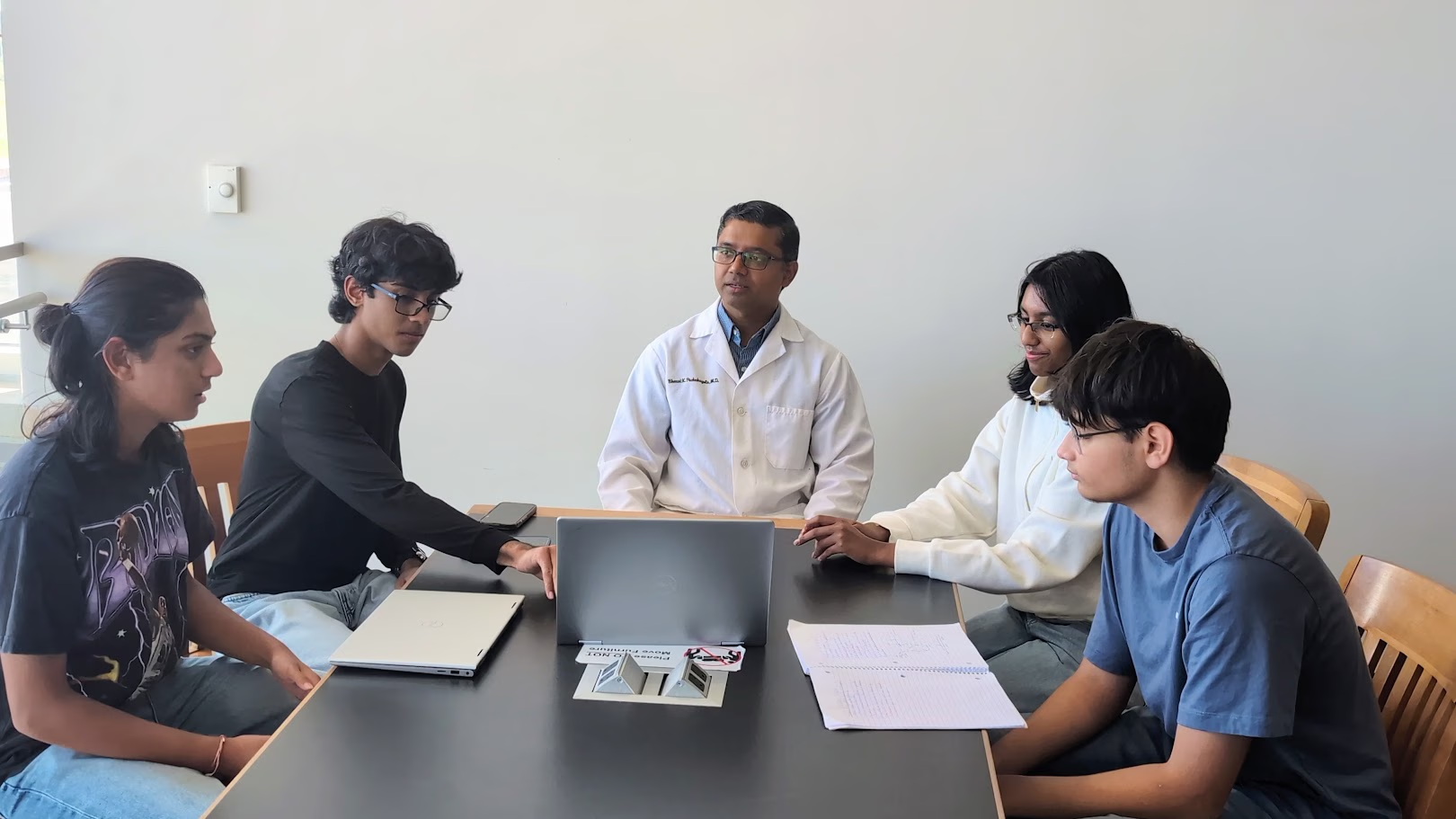
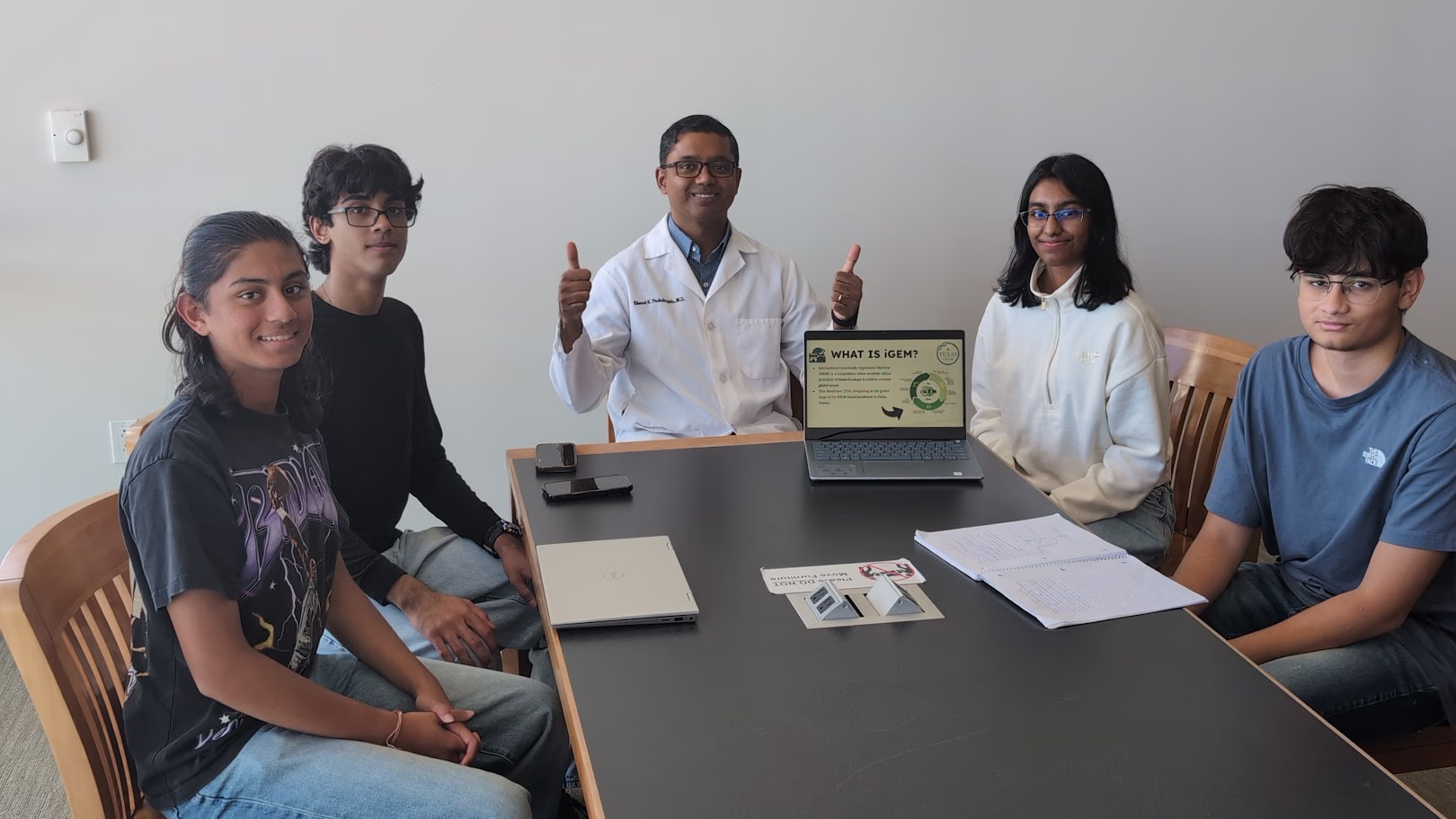
An in-person meeting at which the student team presented the chassis and the mechanism directly. Dr. Puchakayala gave his response afterwards as a dictated statement rather than in a recorded question period, which is why this record carries his remarks verbatim rather than as a reconstructed discussion.
The iGEM team met me today and presented on their chassis with the E. coli and the other gut bacterial species, which is going to help in modulating the OEA based on the FAAH life, which seems to be a very novel approach, considering targeting malnutrition for the kids, which usually leads to rising levels of OEA immediately on refeeding. It was very refreshing to hear how the kids are taking enthusiasm beyond their high school curriculum and learning about wet lab and how research is conducted at the post graduate level. I am particularly impressed by the thought process to control the FAAH enzyme synthetically to inhibit satiety for the malnourished kids and probably the prospect of advancing their research by experimenting on mouse models once they get access to a live lab. They are going to present this in the synthetic biology competition, and I wholeheartedly endorse them for their efforts and wish them the very best.
Dr. Bharat K. Puchakayala
Finding
He read the mechanism as novel. His assessment of the chassis and the OEA/FAAH mechanism was that the approach is novel, and he tied that directly to the intended use: targeting malnutrition in children.
OEA rises on refeeding. The one clinical observation in his statement is that malnutrition in children usually leads to rising levels of OEA immediately on refeeding. That bears directly on our premise: it puts our target molecule on an upward trajectory at precisely the point a malnourished child begins eating again, which is the point our construct is meant to be lowering it. It also compounds what Dr. Bender told us above. He said OEA is not uniform across malnourished patients; this adds that it may not be uniform across time within a single patient either. We record it as his clinical observation rather than as a sourced result.
On the design, the students, and what comes next. He said he was particularly impressed by the thought process behind controlling FAAH synthetically to inhibit satiety in malnourished children, which is the most direct statement of support the design itself has received from a clinician. He noted that the students had taken their work beyond their high school curriculum, learning wet lab technique and how research is conducted at what he called a post-graduate level. He suggested the work would advance by experimenting on mouse models once the team has access to a live lab, and closed by endorsing the team wholeheartedly ahead of the competition.
Consequence
His refeeding observation is the item that changes something. Dr. Bender had already made the OEA baseline a quantity to be characterized rather than assumed, because the level varies with the underlying illness. Dr. Puchakayala adds a second axis to that: time since refeeding began. An assay that samples at a single point after a child starts eating is measuring a moving quantity, so the Measurement page has to state when the endpoint is read and not only what is read.
His mouse-model suggestion is recorded as a next step, not as a plan. No animal work forms part of this season’s project and nothing on the wiki should imply otherwise. It is the step a future team would take first, once laboratory access allows it.