
Texas iGEM 2026 · Synthetic Biology
Engineering Probiotics to Combat Malnutrition
Leveraging synthetic biology by engineering beneficial gut bacteria to enhance nutritional health and support healthy growth.
An engineered E. coli Nissle 1917 that secretes FAAH through an OmpA module to modulate gut bioactive-lipid mediators. It is a proof-of-concept, not a clinical claim.
Where
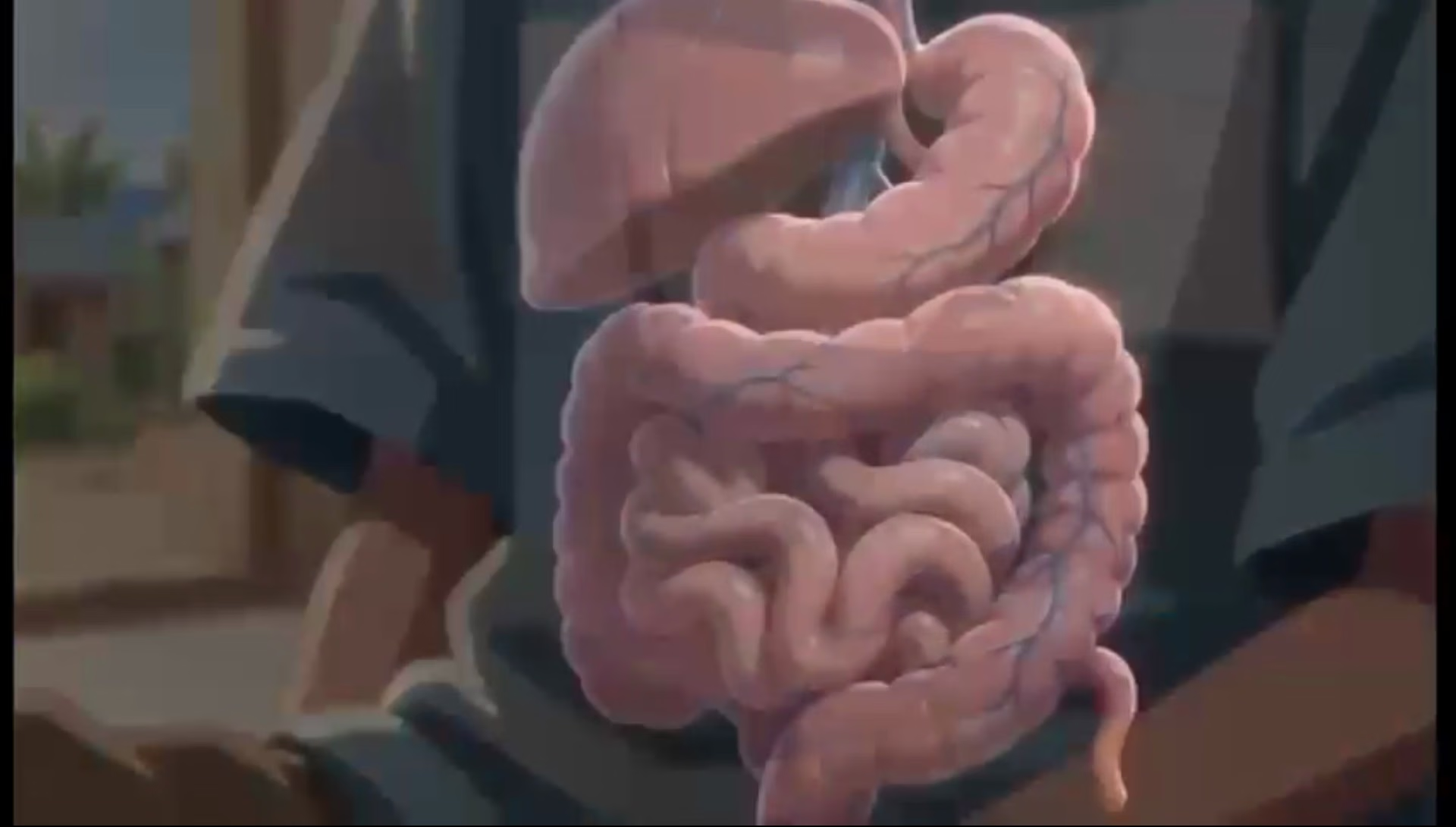
It starts in the gut
Appetite is not only decided in the brain. The gut reports on what has been eaten, and those reports shape whether a child feels like eating at all.
The lining
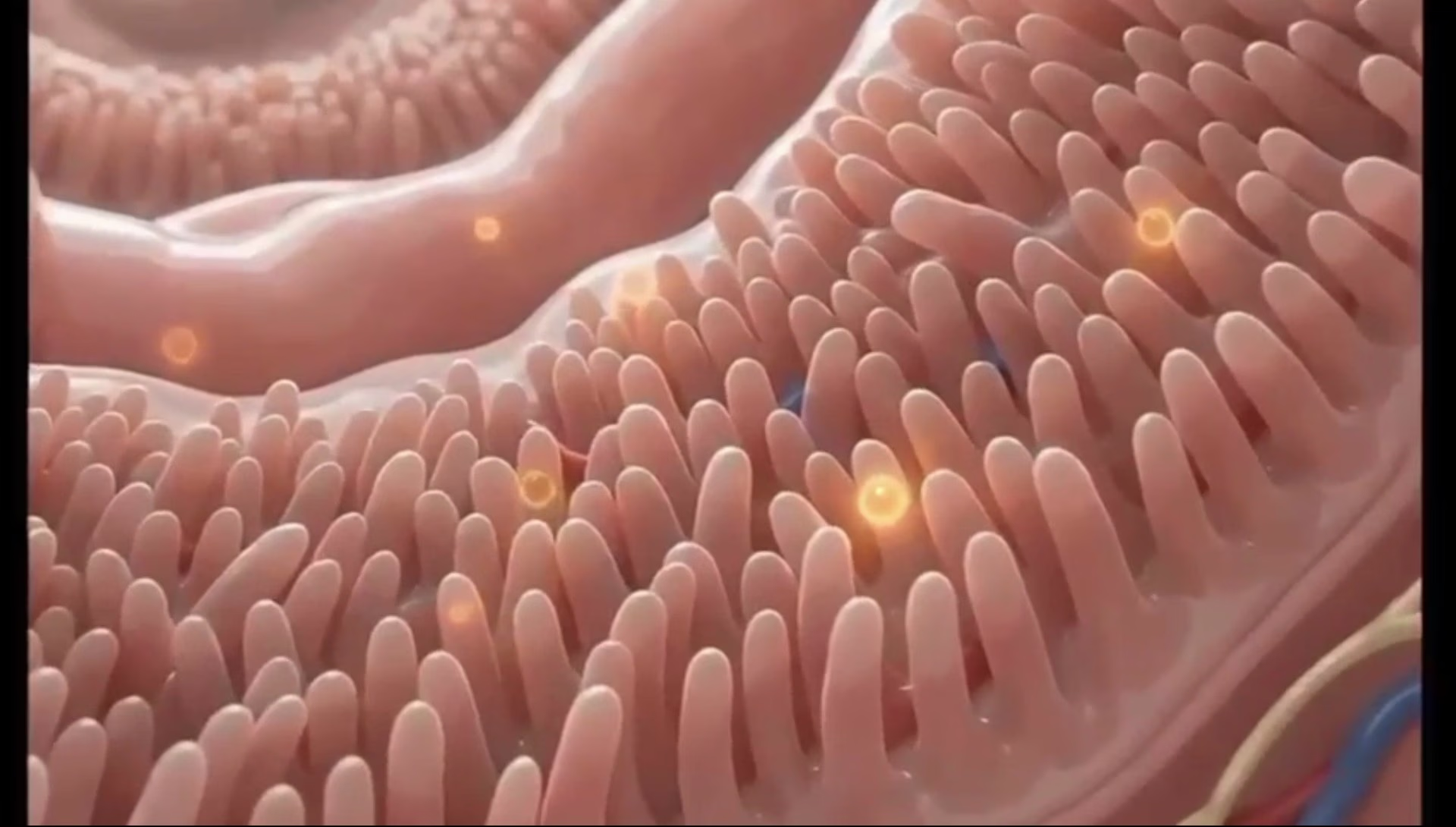
Where the reading happens
The intestinal wall is covered in villi. Cells here sense fats arriving from a meal and turn them into chemical messages.
The signal
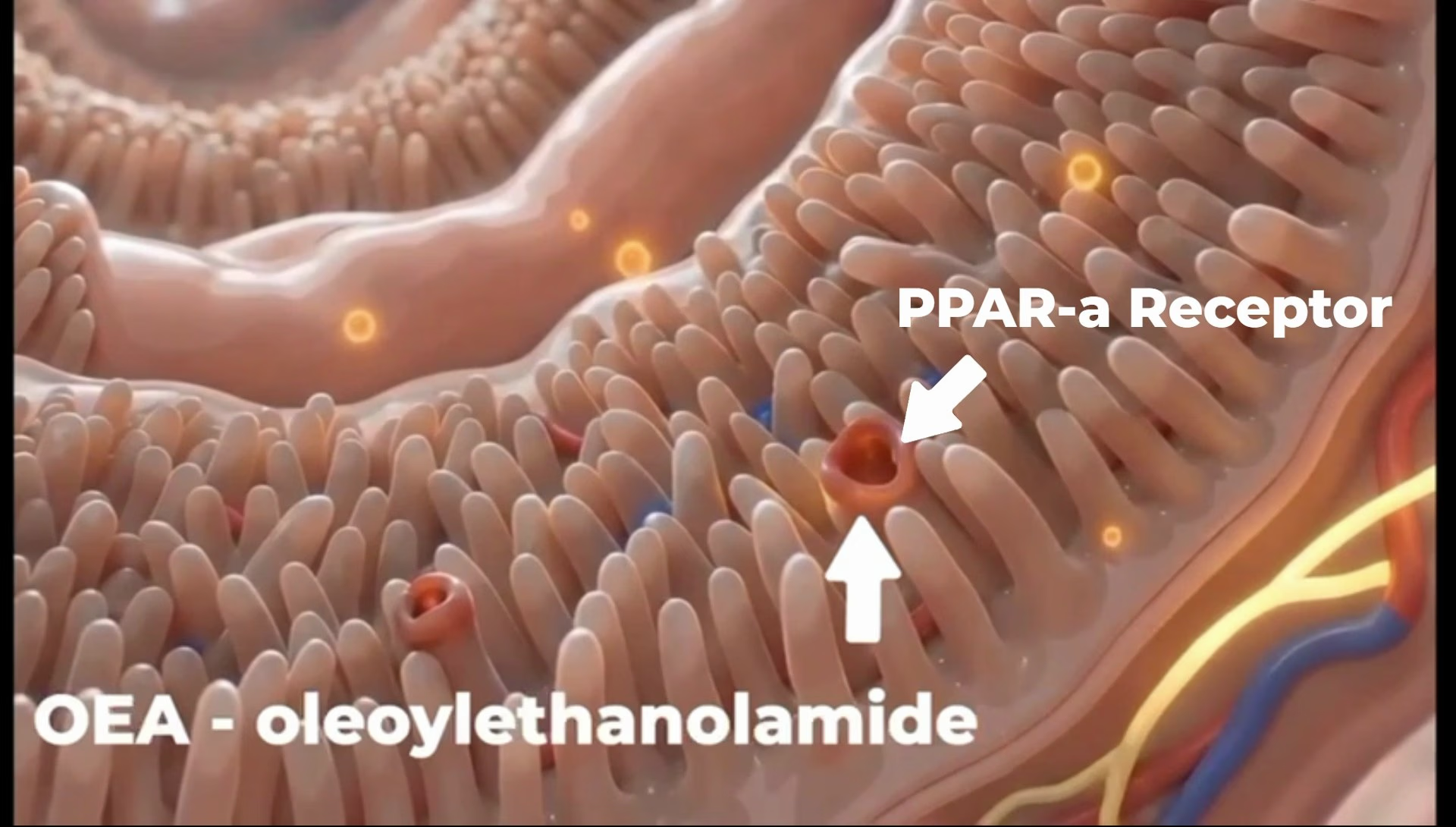
A lipid meets its receptor
One of those messages is oleoylethanolamide, or OEA, a bioactive lipid that binds the PPAR‑α receptor. This is the lever our project works on.
The route
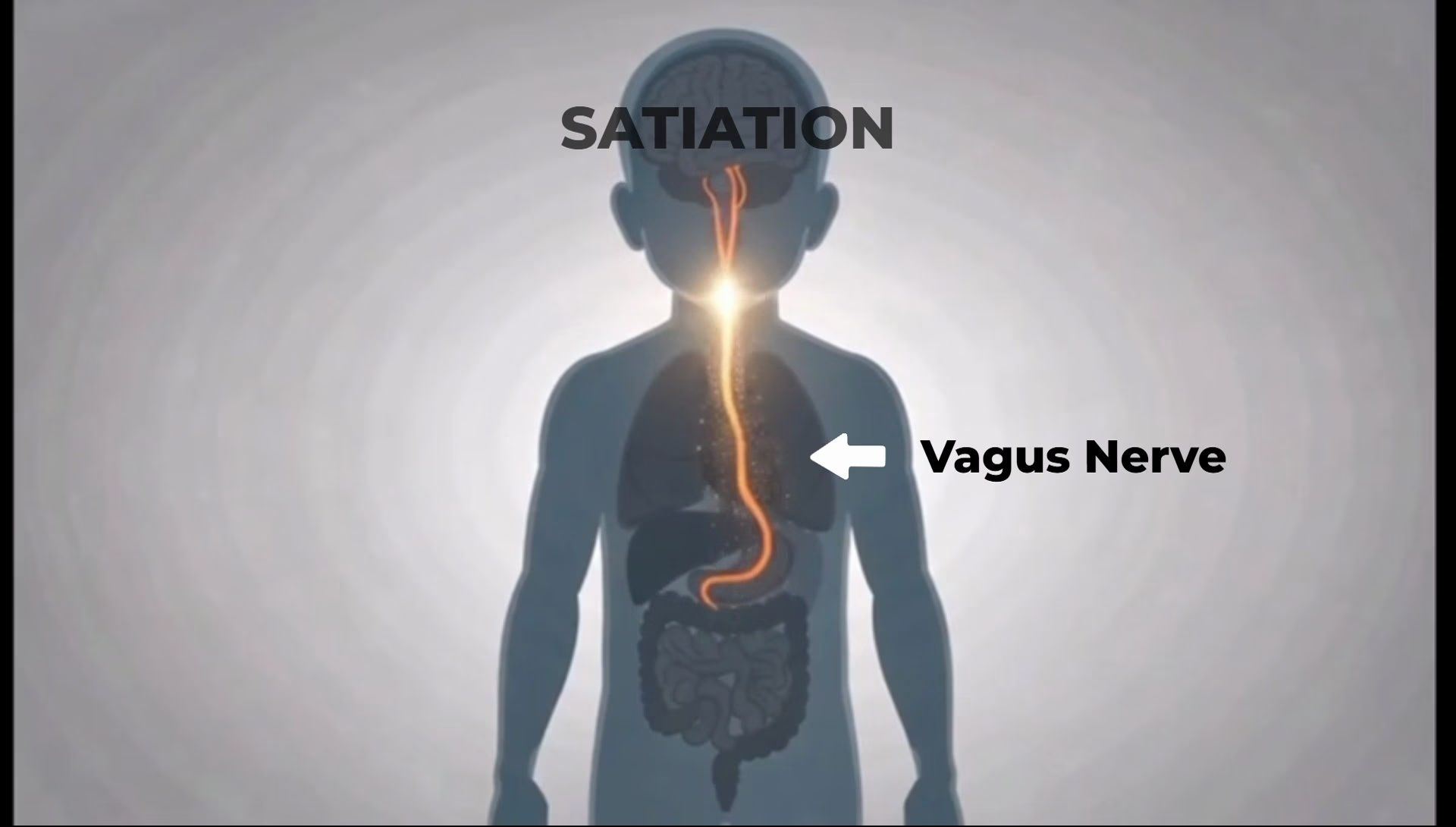
Gut to brain
The signal travels the vagus nerve, the line that carries news from the gut to the brain. It is how a message made in the intestine becomes a feeling about food.
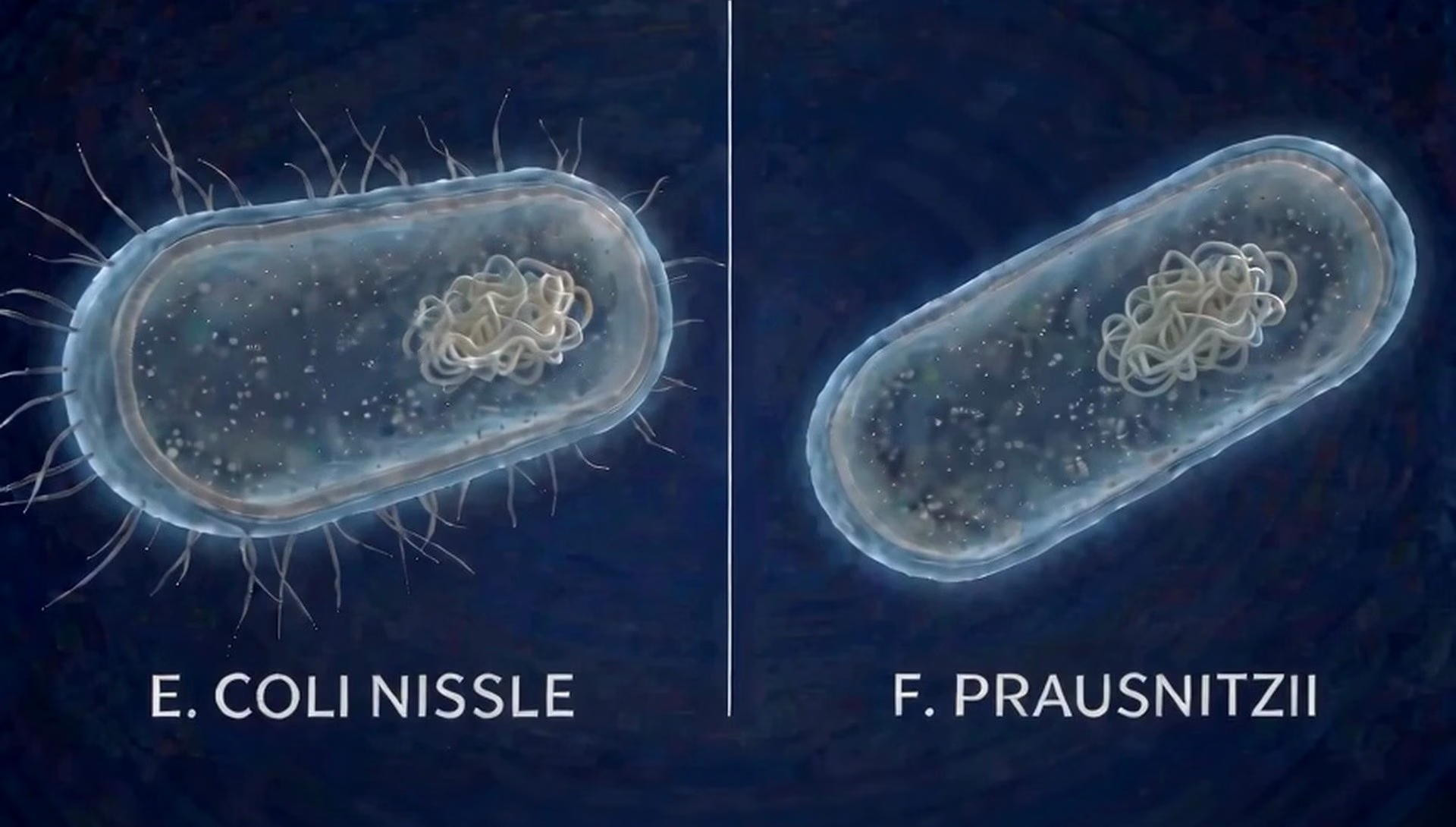
Two organisms
A chassis and a source
E. coli Nissle 1917 is a safe, well characterised probiotic that colonises the gut: our delivery vehicle. Faecalibacterium prausnitzii is a normal gut resident, and where our enzyme comes from.
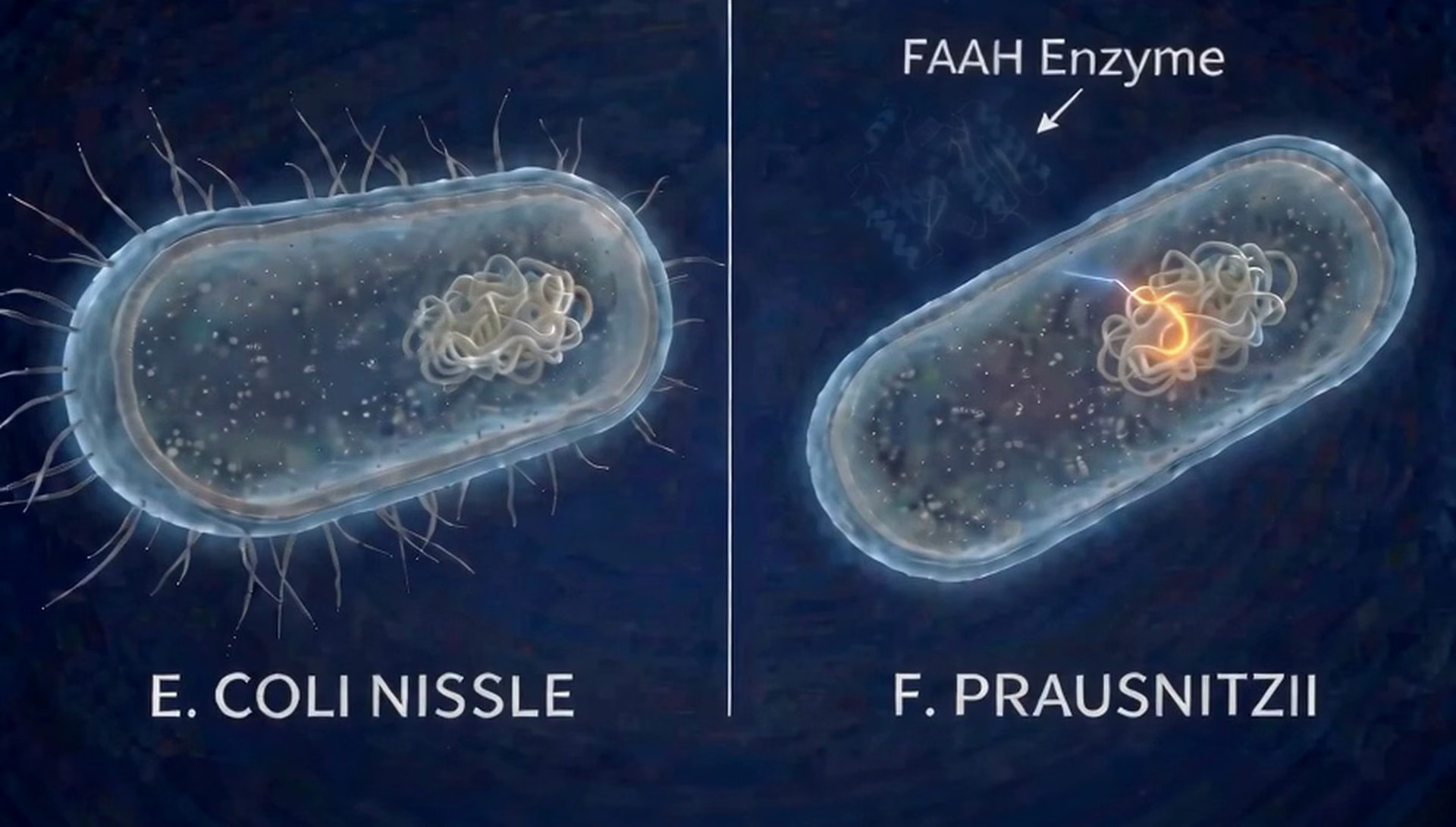
The enzyme
FAAH
Fatty acid amide hydrolase acts on the bioactive lipids the gut uses for signalling, OEA among them. Changing how much of that signal is present is the whole point of the design.
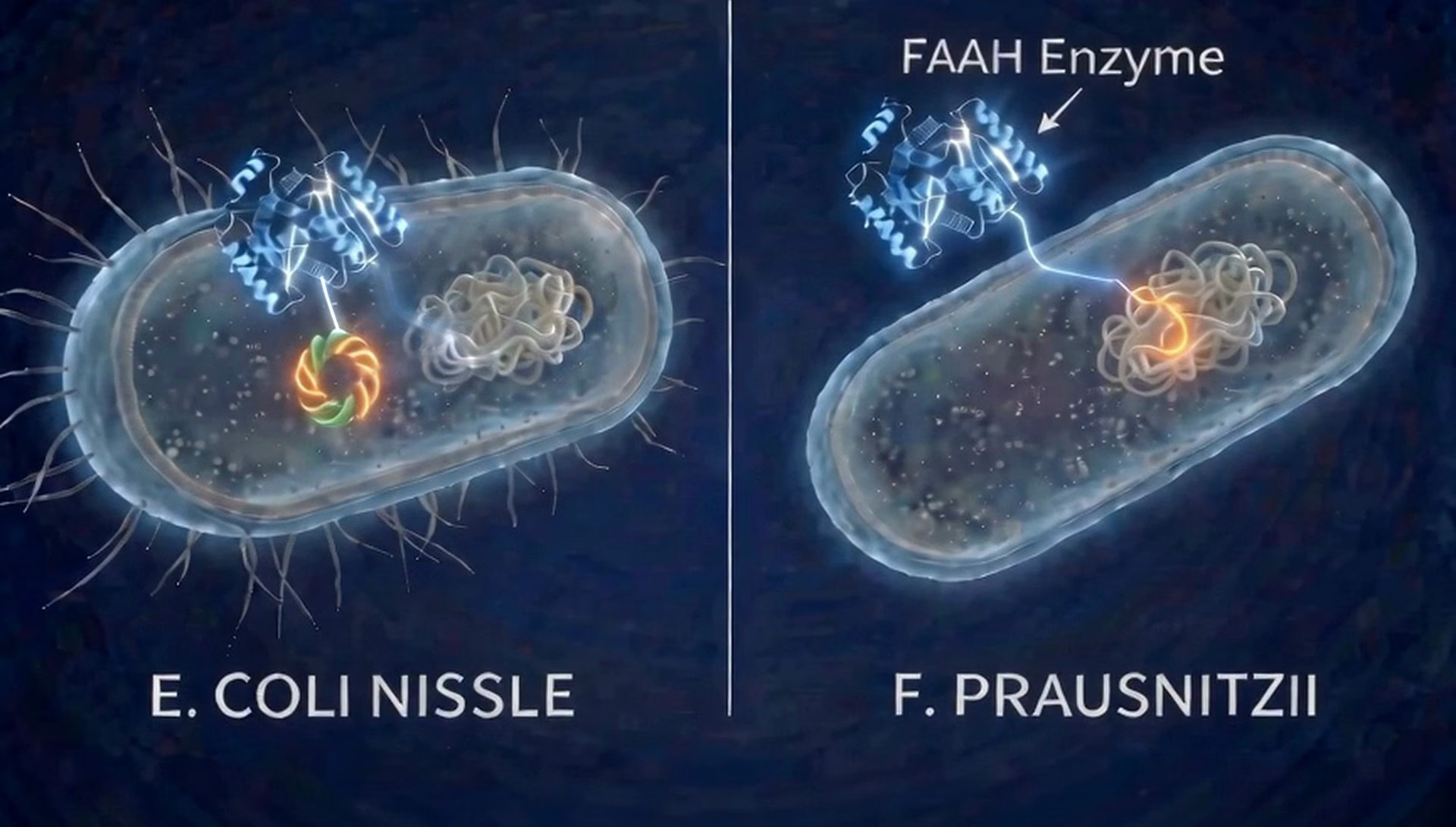
The build
Moving it into Nissle
We build the enzyme into Nissle on a plasmid, with an OmpA secretion module so the enzyme is exported rather than kept inside the cell. Read the construct left to right just below.
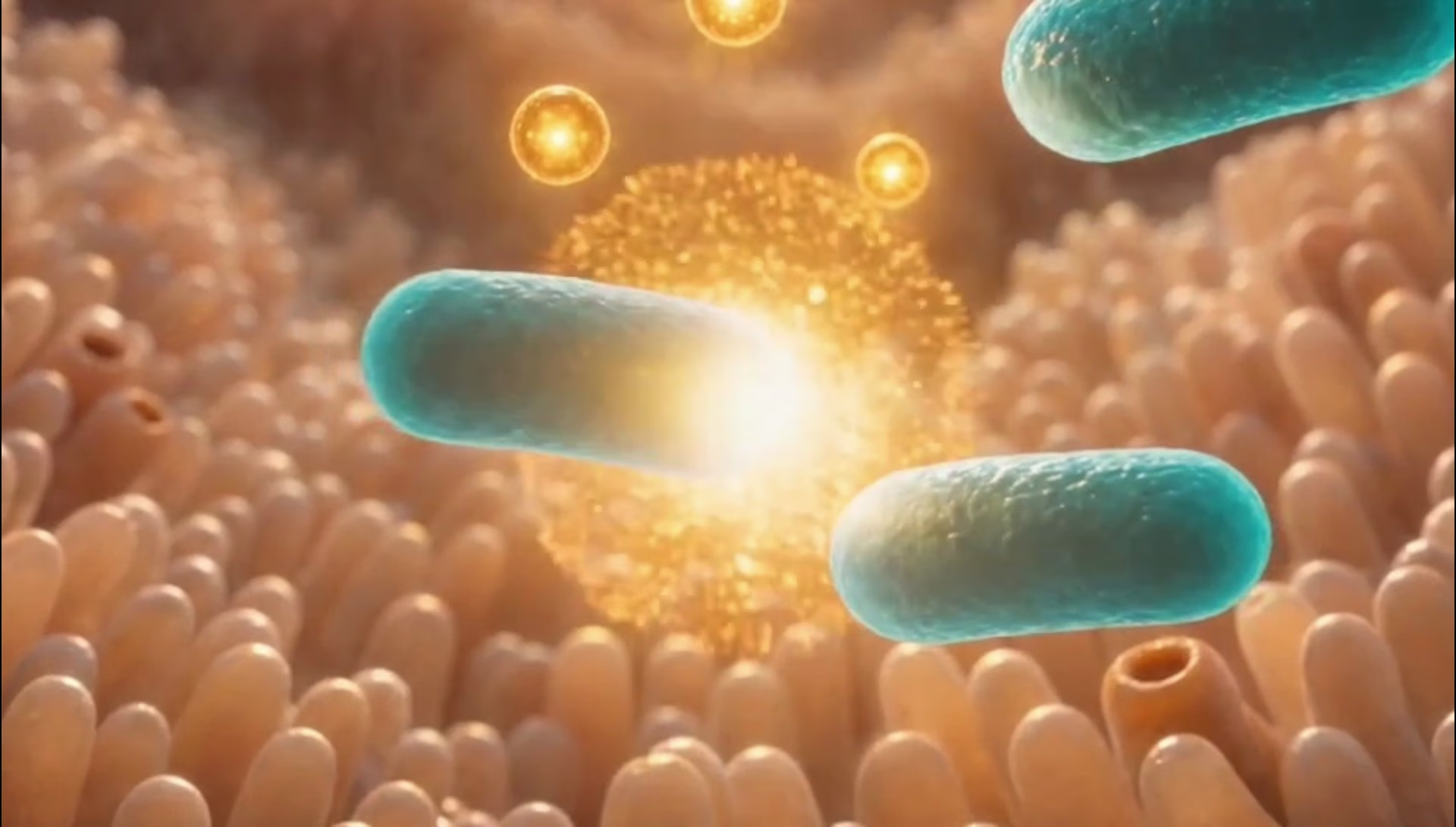
The scope
What we are and are not claiming
The engineered bacterium sits in the gut and acts on the lipid signal there. This is a proof of concept about a mechanism, not a treatment and not a clinical claim.
The construct
One plasmid, read left to right
A promoter drives expression, an OmpA signal exports the enzyme, FAAH does the work, and a terminator closes it out, assembled with In Vivo Assembly.
- PPromoter
- OmpASecretion signal
- FAAHEnzyme
- TTerminator
Who we are
Houston's first community high-school synthetic biology team
We recruit students from under-resourced schools and first-generation STEM backgrounds, working under faculty mentors from UT MD Anderson Cancer Center and the University of Houston. Access and equity aren't a side project for us. They're why we're here.
Start anywhere
Entry points
Description
The problem, the idea, and why E. coli Nissle and FAAH.
→ProjectEngineering
Our Design, Build, Test, Learn cycles at the bench.
→ProjectResults
Data and figures, with honest proof-of-concept framing.
→EngagementThe world in the work
How clinicians and community shaped the project.
→TeamMeet the team
The students and mentors behind the project.
→With thanks
Our supporters
Sponsor logos and acknowledgements
The full sponsor wall lives on the Sponsors page.
- Financial sponsors (tiered wall)
- In-kind partners, for example synthesis, reagents, software
- Each logo uploaded to iGEM servers with permission